Birds in flight
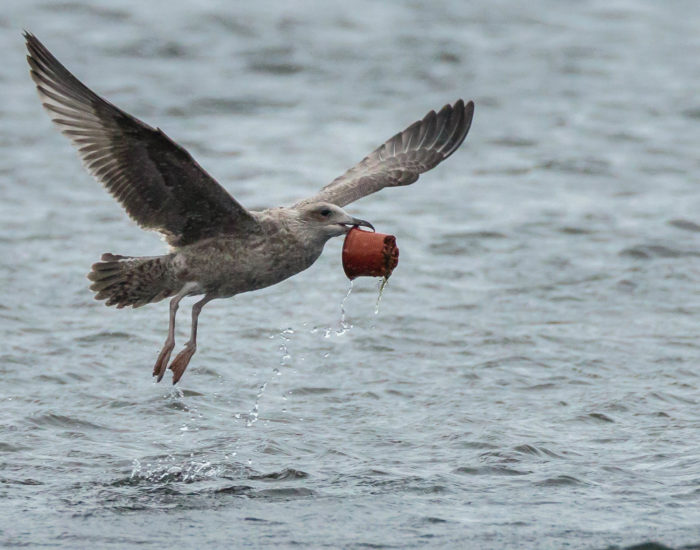
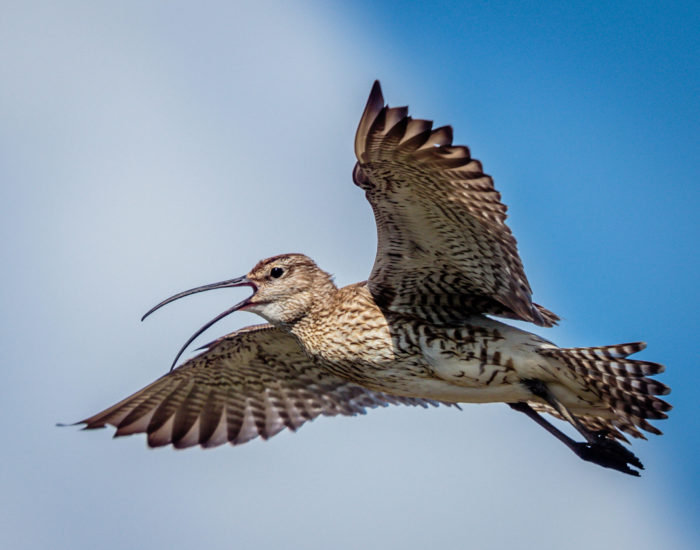
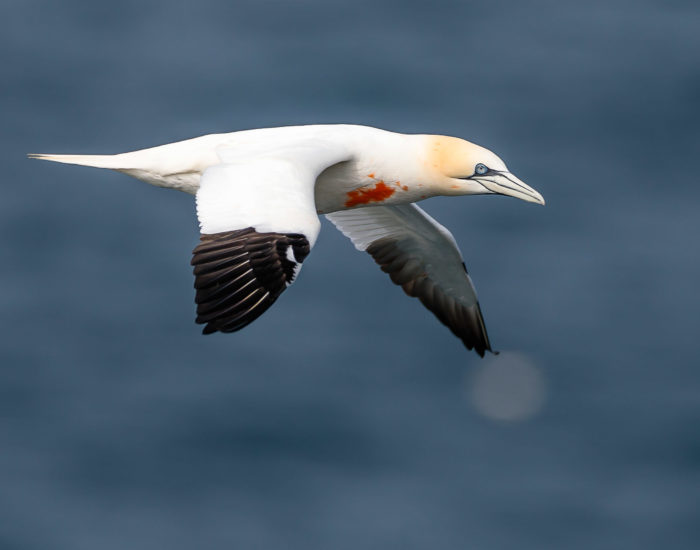
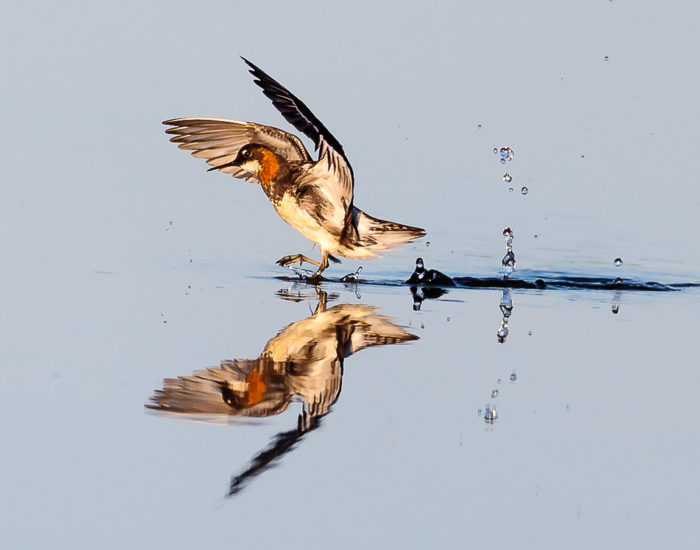
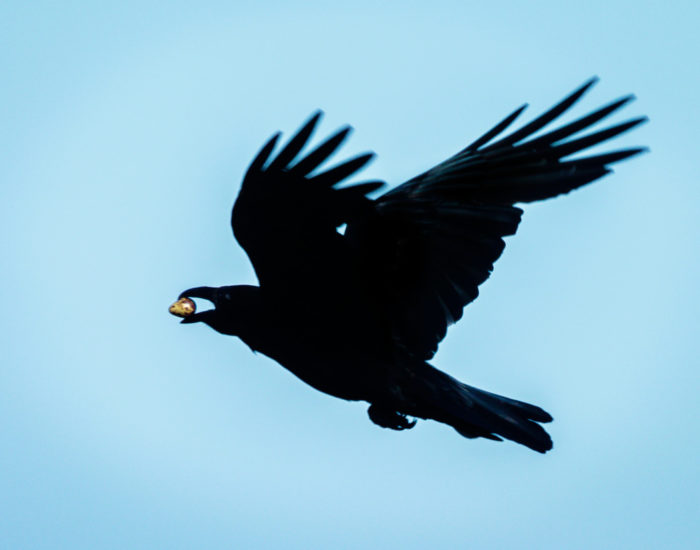
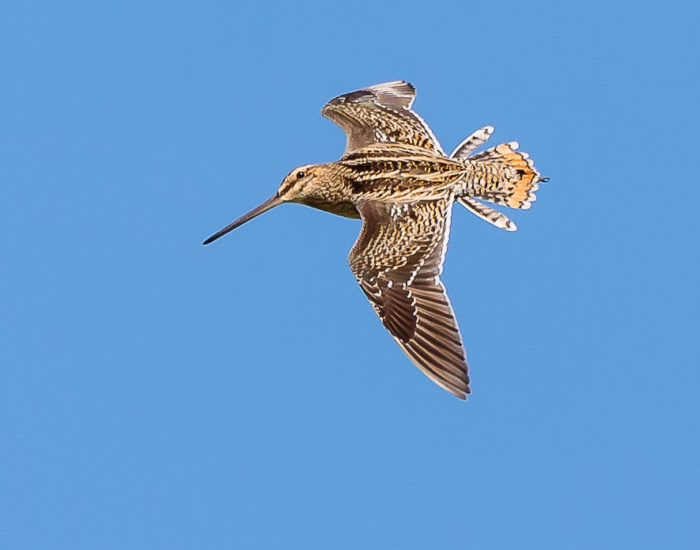
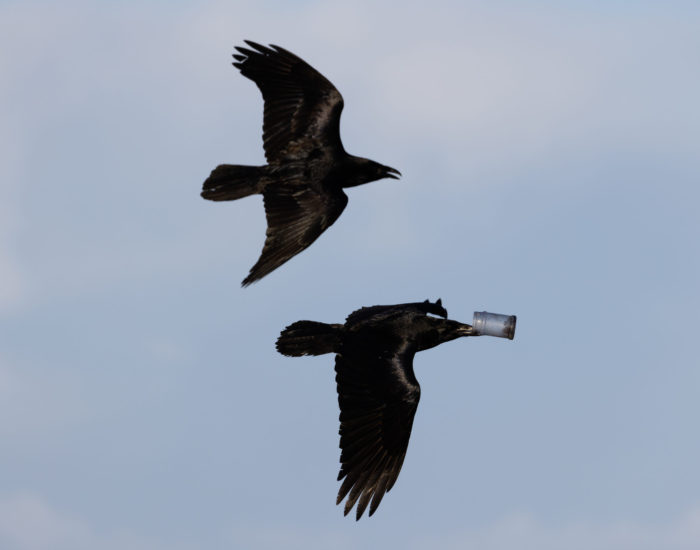
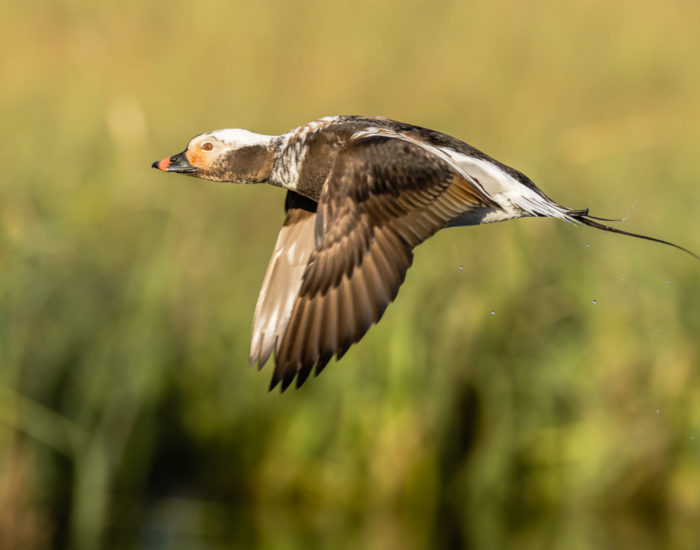
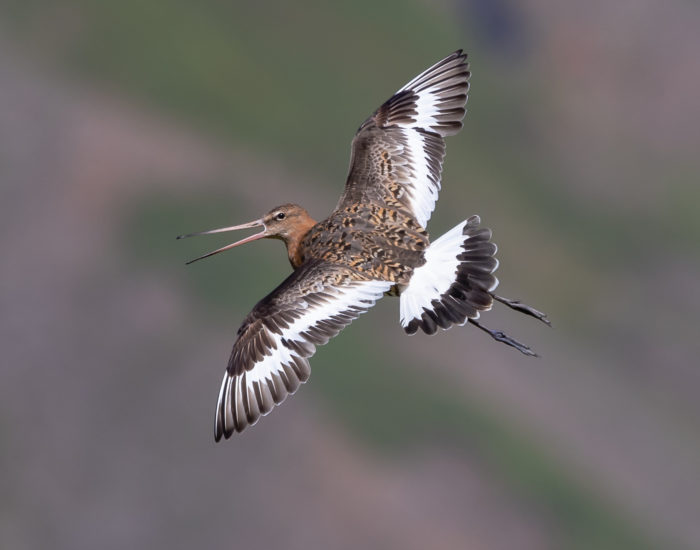
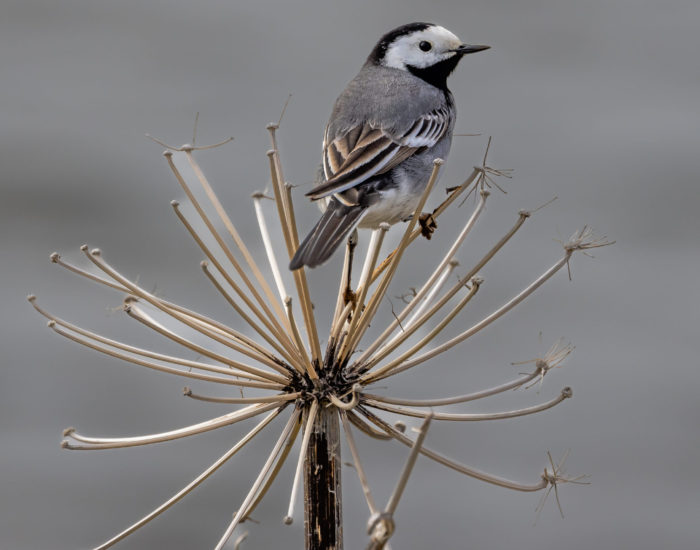
A White Wagtail with a delicious fly in the bill. A young gull removing a plastic flowerpot from the sea. A Raven in flight with an egg for its ravenous chicks. These and more birds are here spreading their wings.




Birds fishing
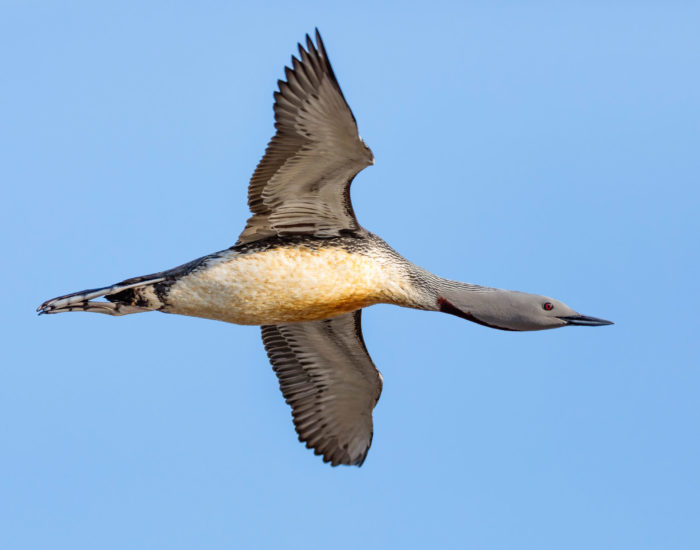
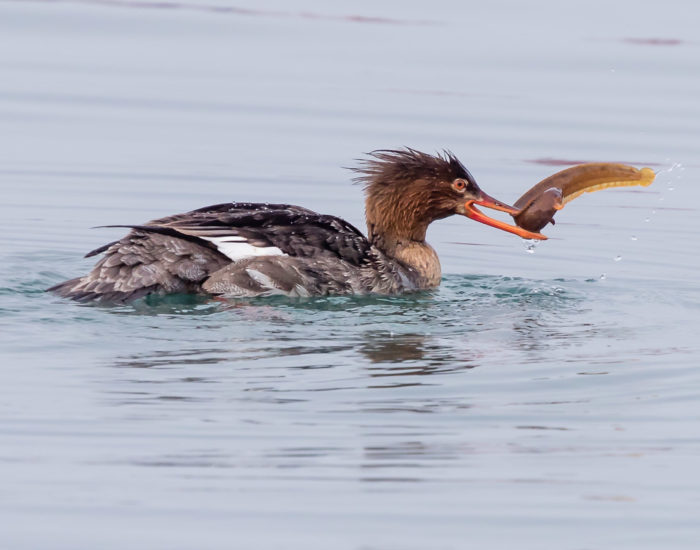
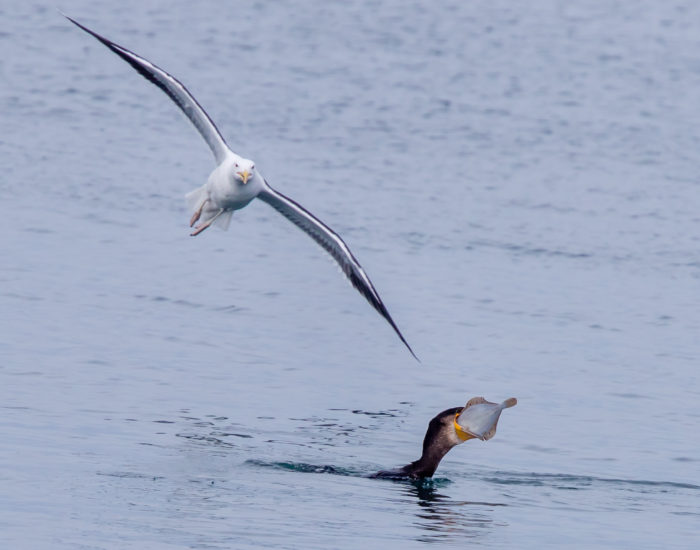
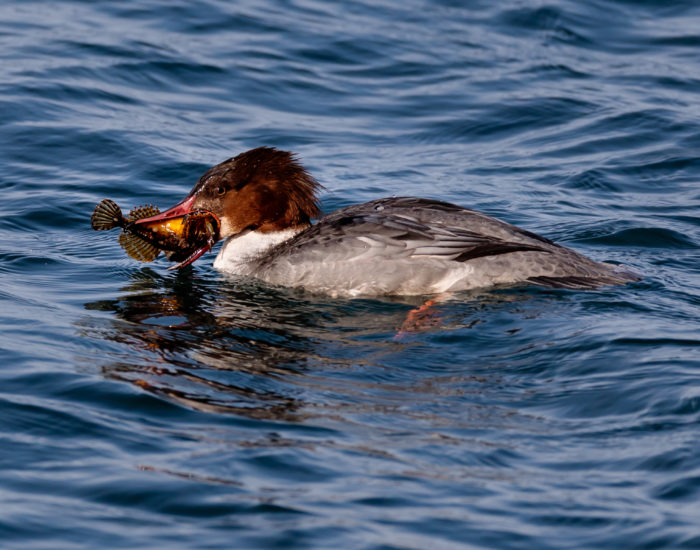
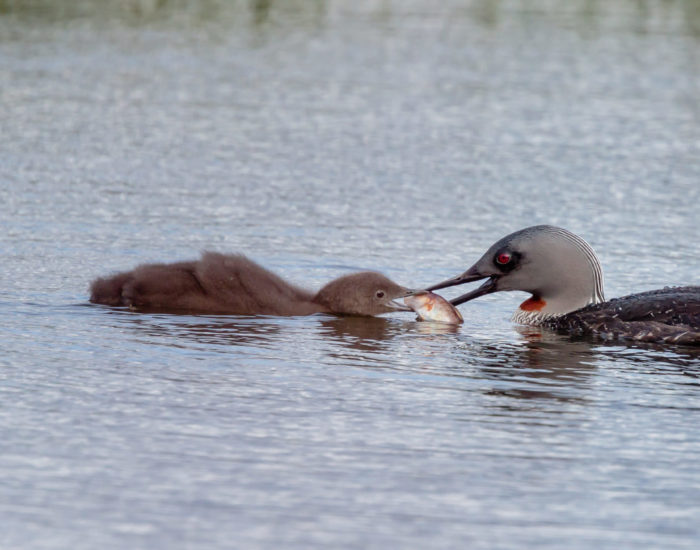
A female Red-breasted Merganser with a rock gunnel in its bill. A cormorant which is dab at fishing and a Goosander (Common Merganser) catching a shorthorn sculpin. They are all here, along with a Red-throated Divers (Loons) feeding their chicks at the Flói Bird Reserve, in southern Iceland.

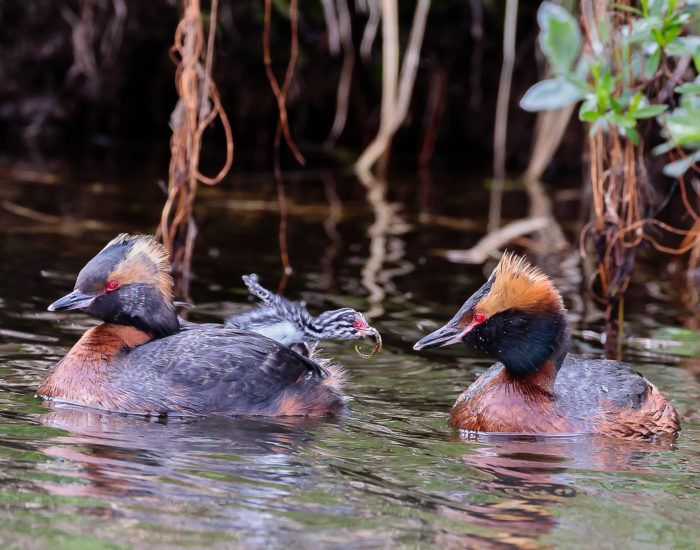
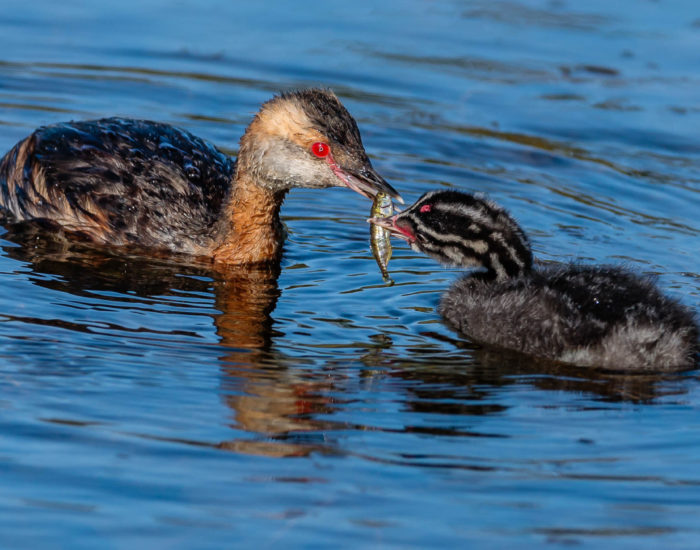
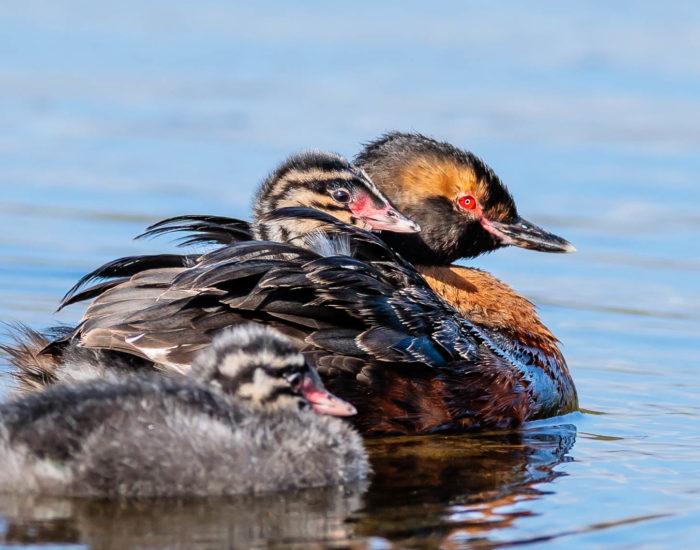
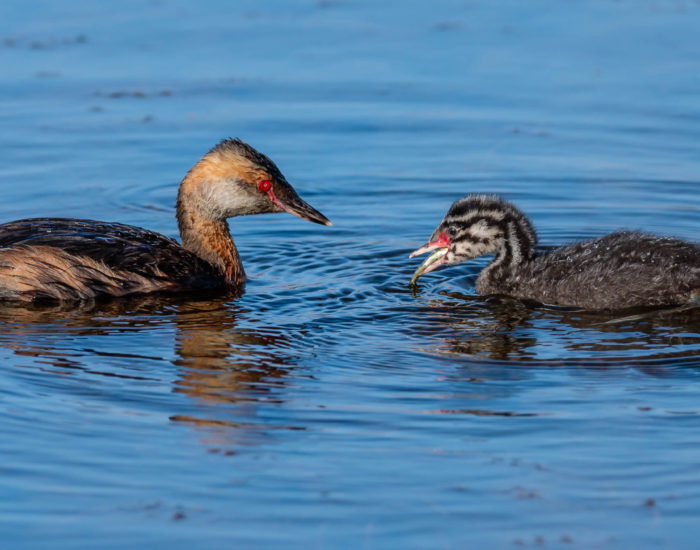
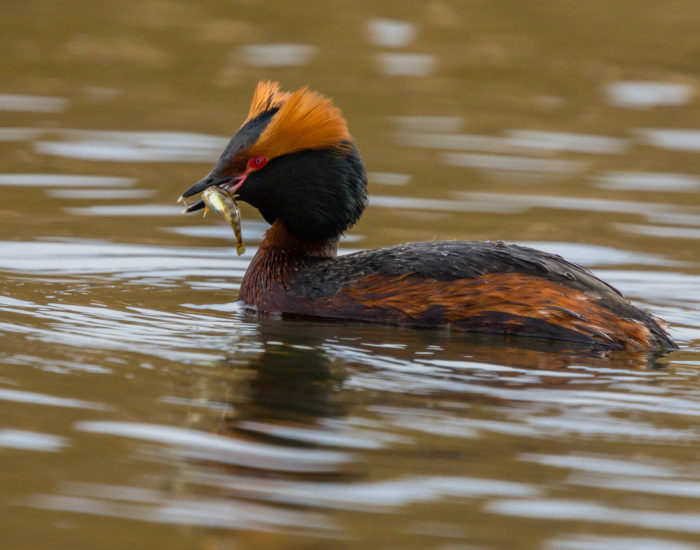
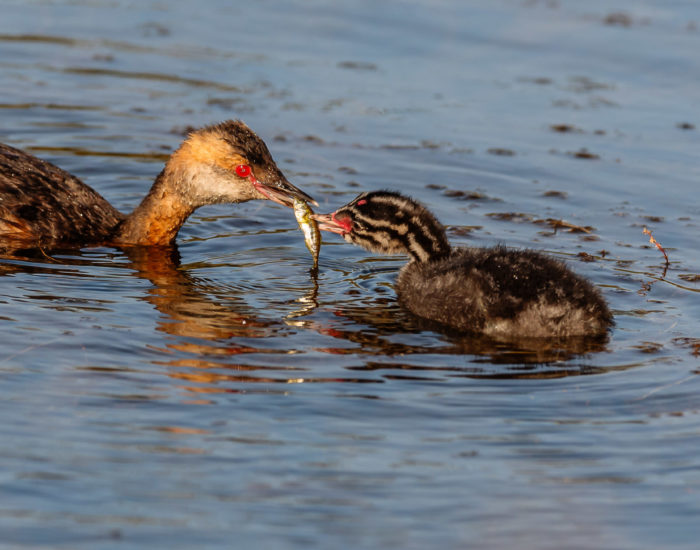
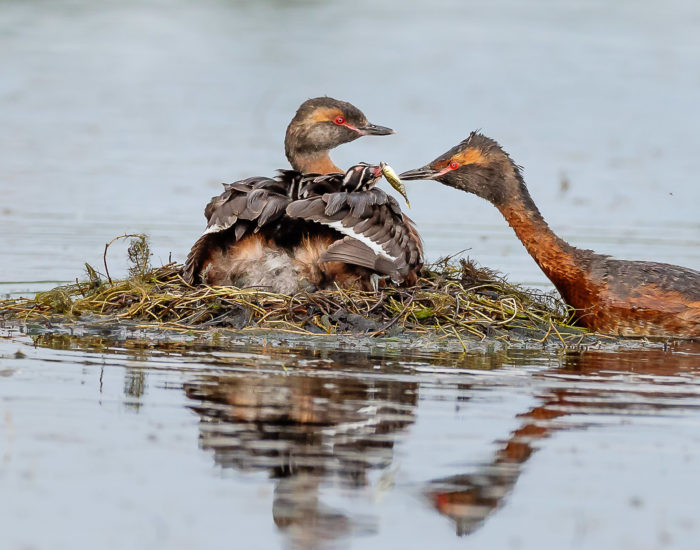
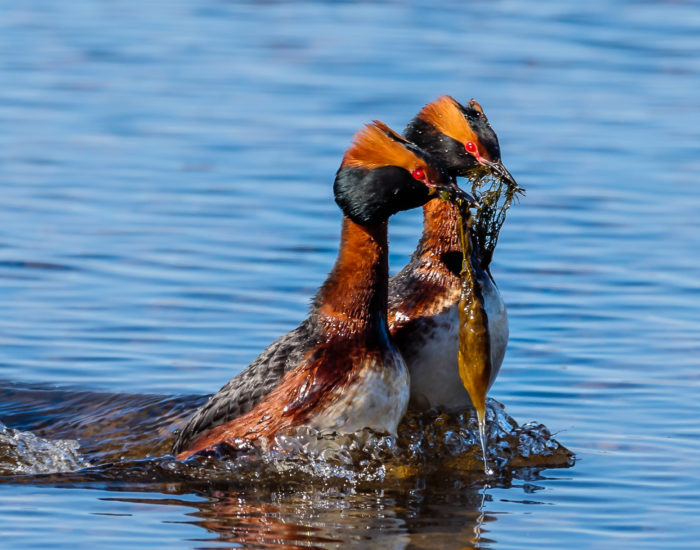
Slavonian Grebe (Horned Grebe)
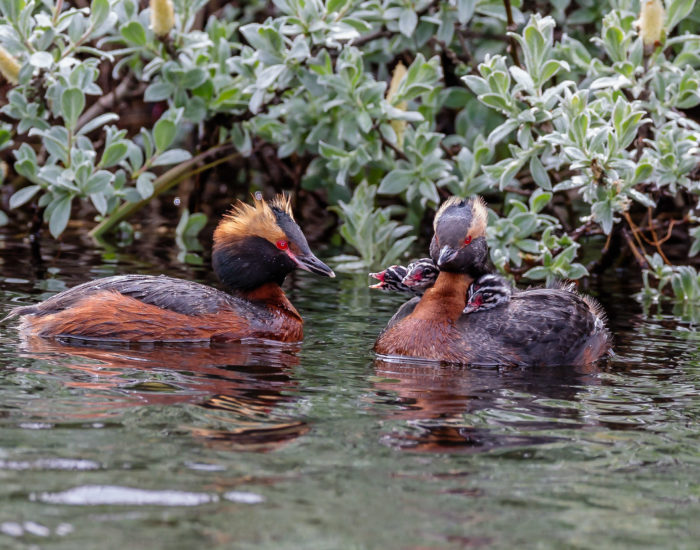
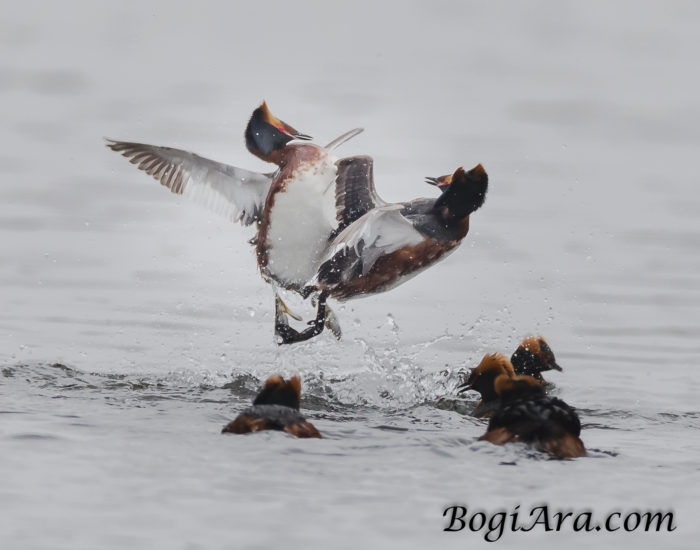
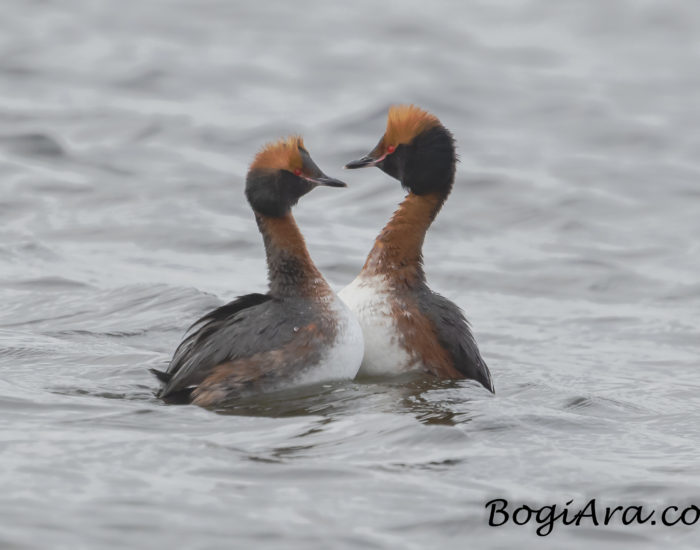
The Slavonian Grebe is the only grebe which breeds in Iceland. In spring Slavonian Grebes develop their relationship through mating routines, for instance with a weed ceremony, or dance. Then the pair dive, retrieve weeds and rise from the water in synchronisation. The come breast-to-breast with their weeds and then turn side by side to continue swimming.
The pair build floating nests and after the chicks hatch they can swim within a few days. However, the parents must keep them warm for up to two weeks after hatching. During this time one of the parents sometimes keeps the chicks on its back to keep them warm, while the other parent feeds them with fish.


Chicks
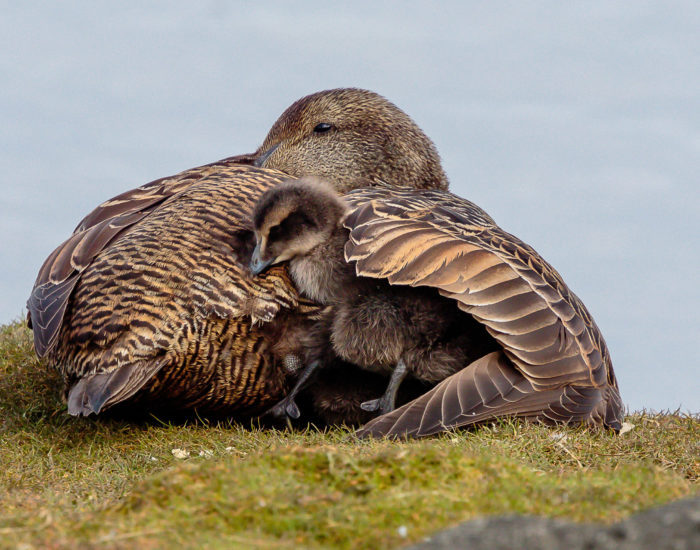
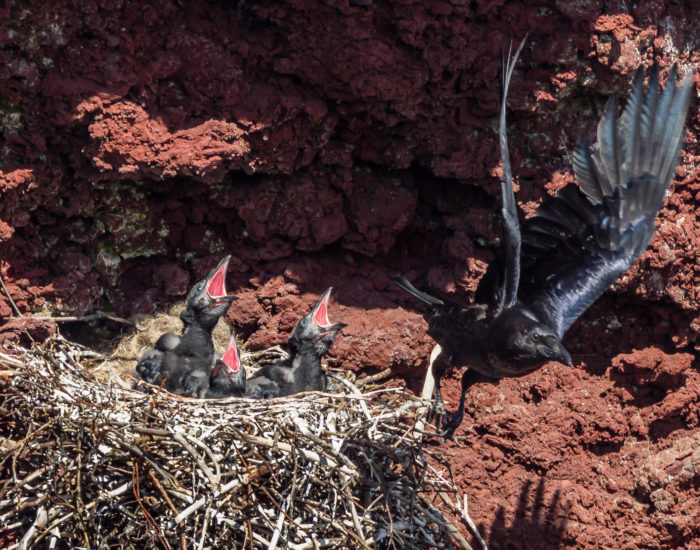
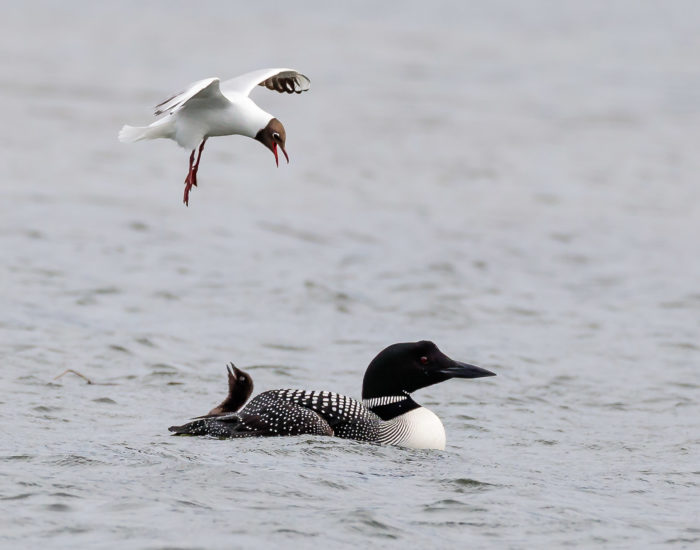
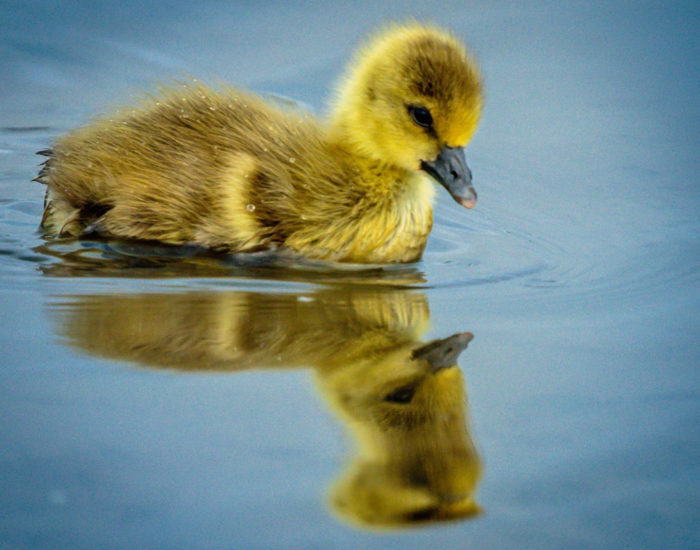
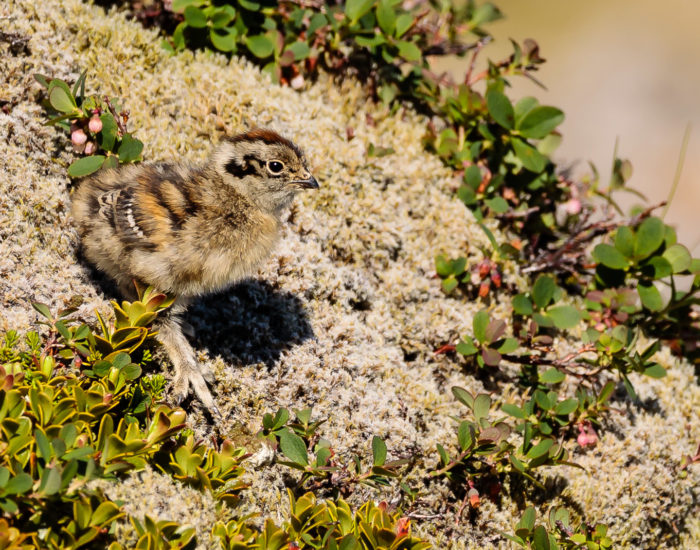
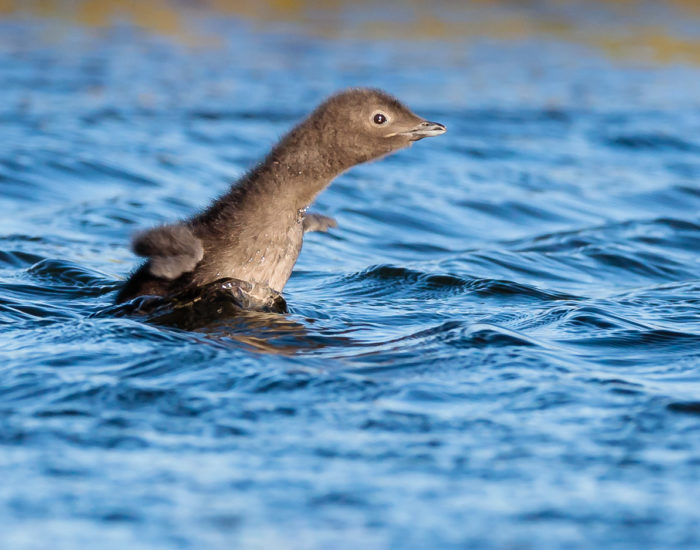
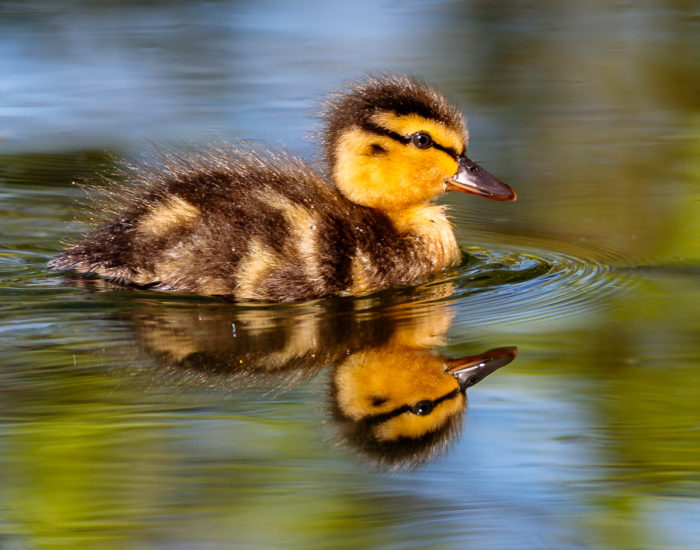
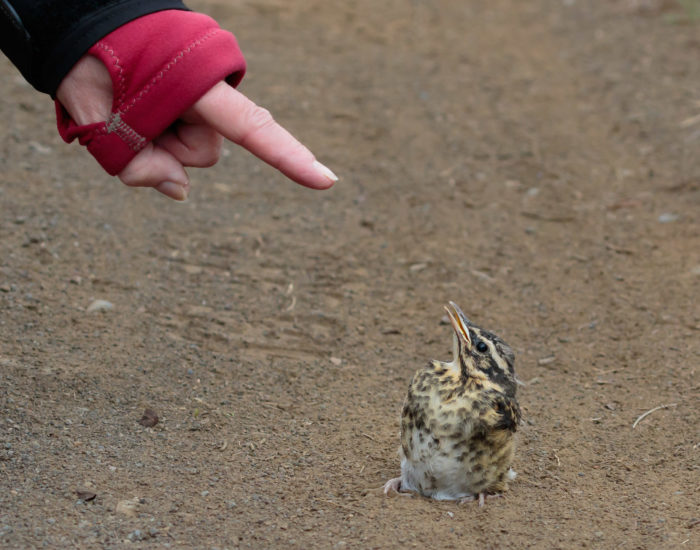
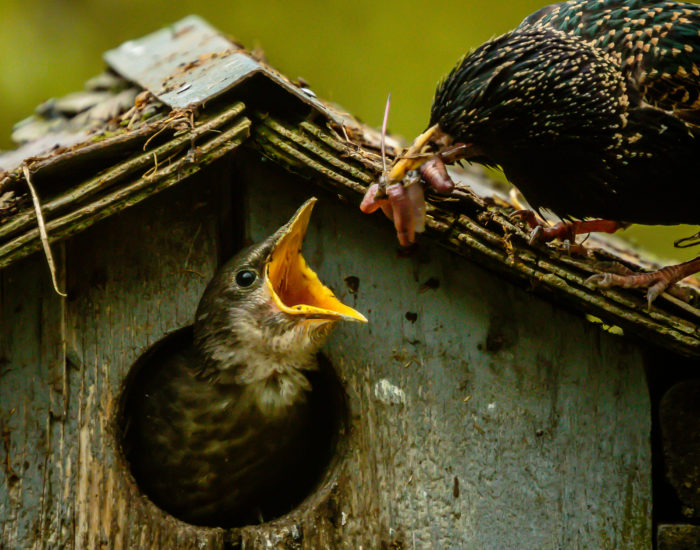
It’s always fun to take pictures of the young ones. Here are a female Eider with chicks under her protective wings, ravenous raven chicks in a nest and a Great Northern Diver with a chick which is arguing with a Black-headed Gull.
Passerines
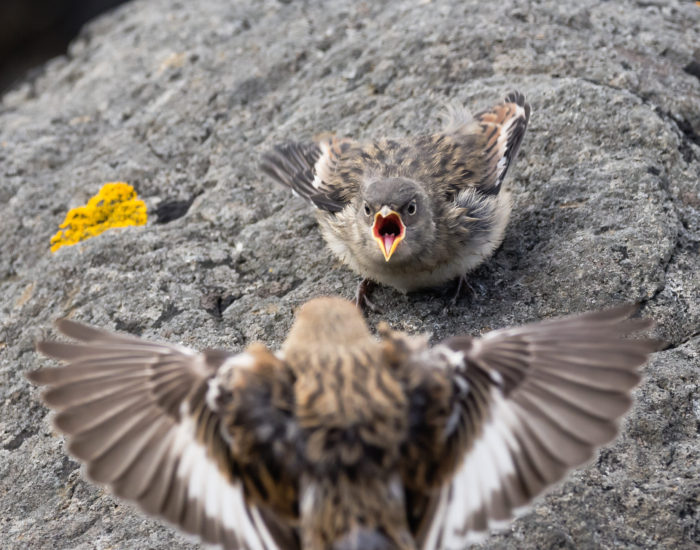
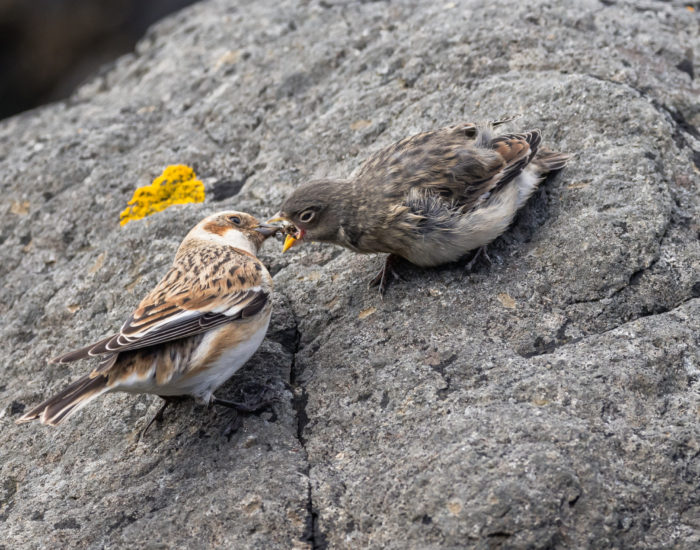
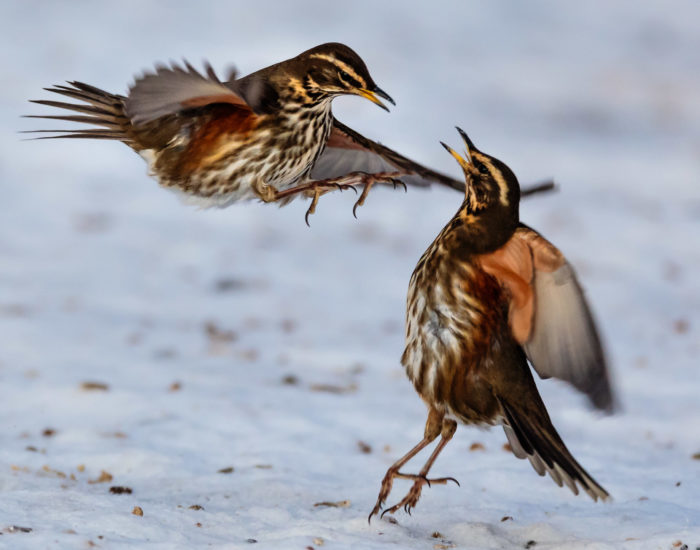
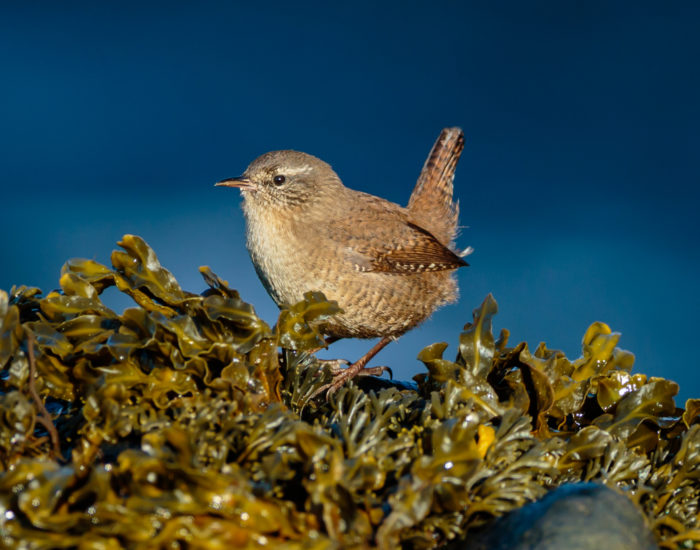
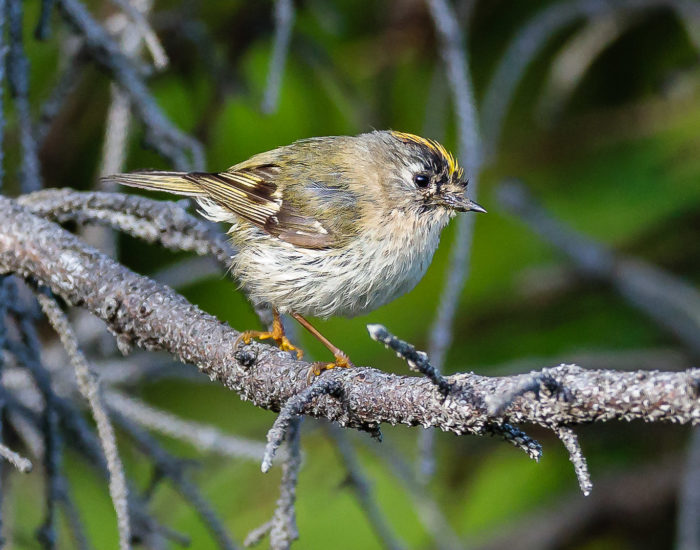
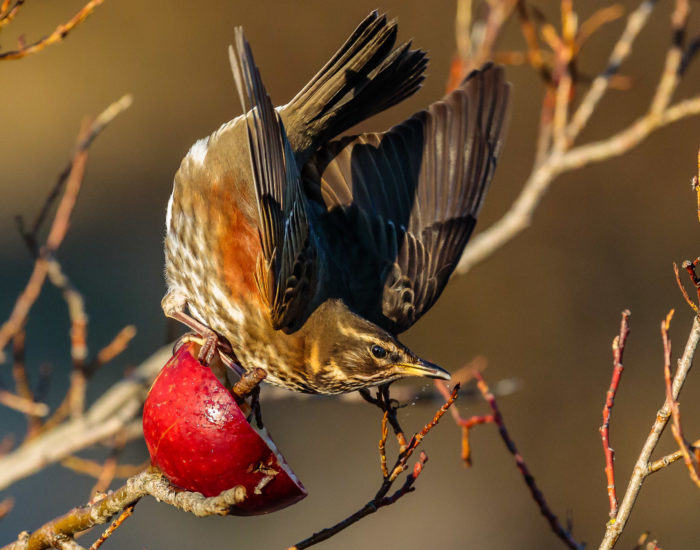
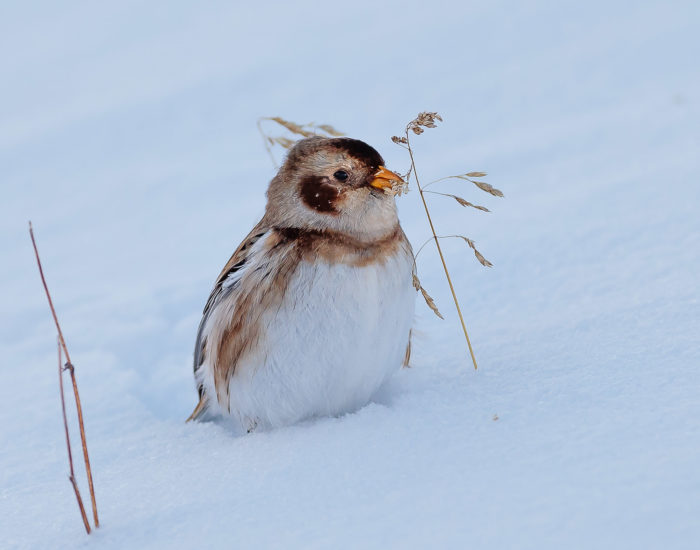
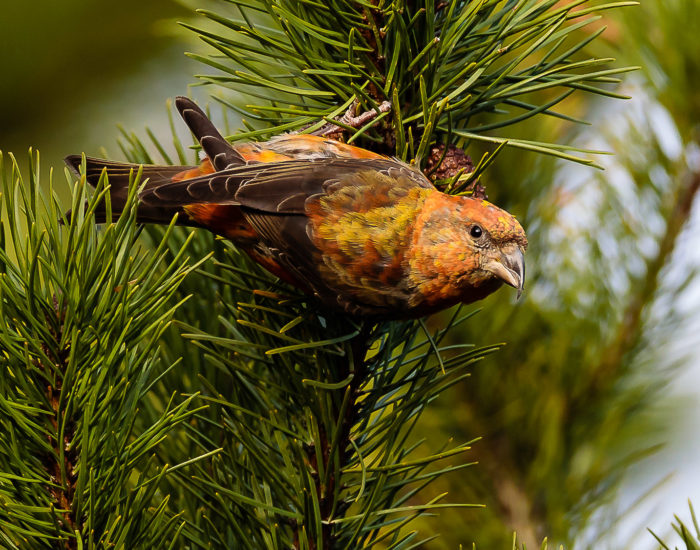
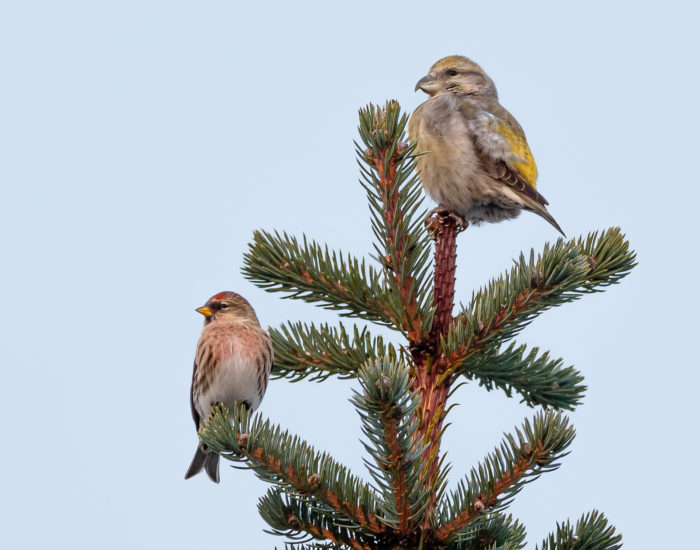
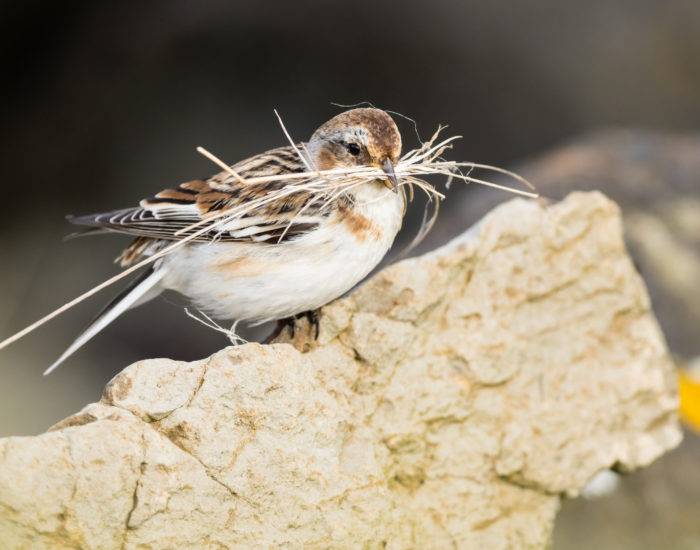
Unfortunately there are not many species of passerines in Iceland, but they have increased in number. Among species that have colonised Iceland in recent years are the Goldcrest and the Crossbill. The world is getting better.

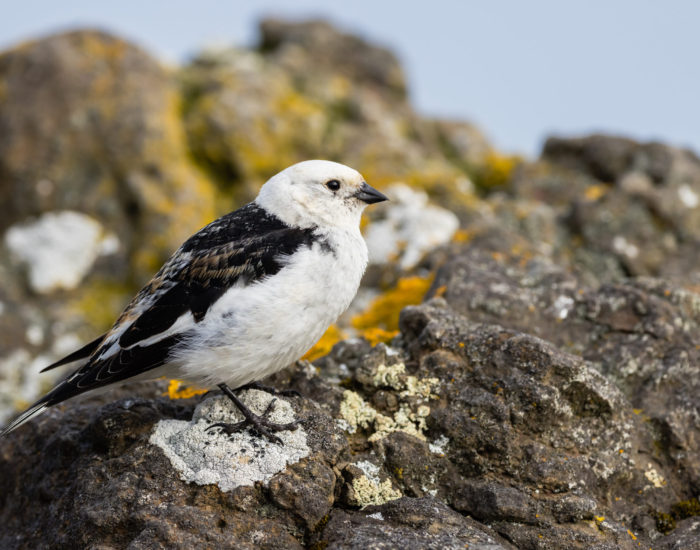
Puffin
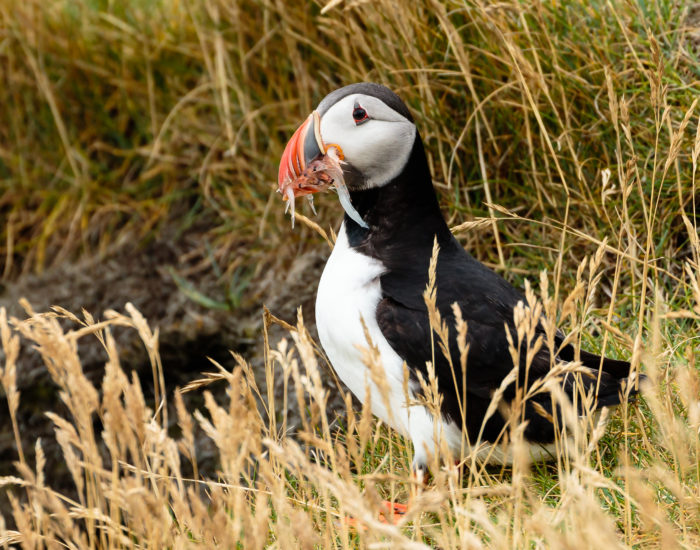
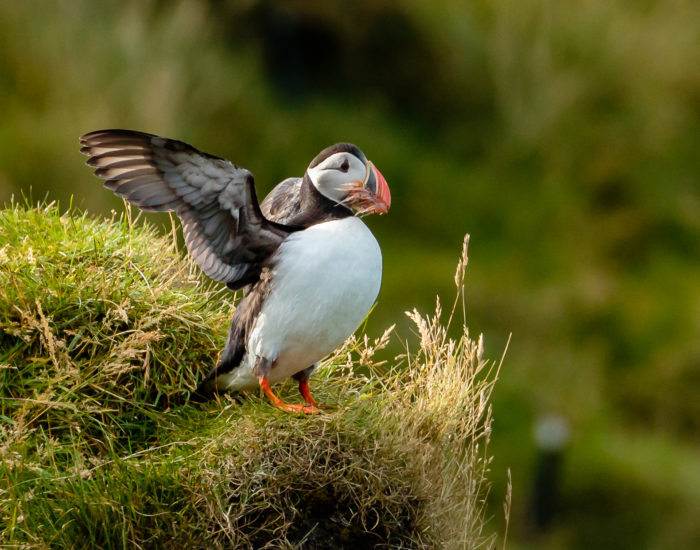
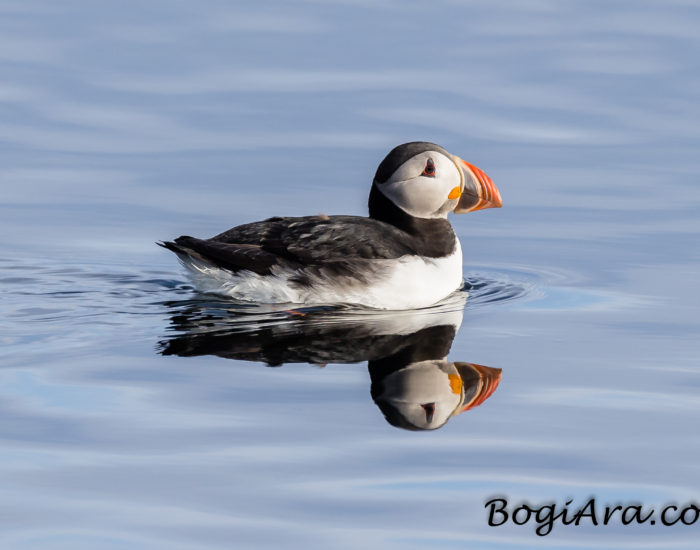
The Puffin is the most common bird in Iceland, with around two million breeding pairs. In the autumn there are around seven million Puffins in Iceland. They spend the winter in the North Atlantic.



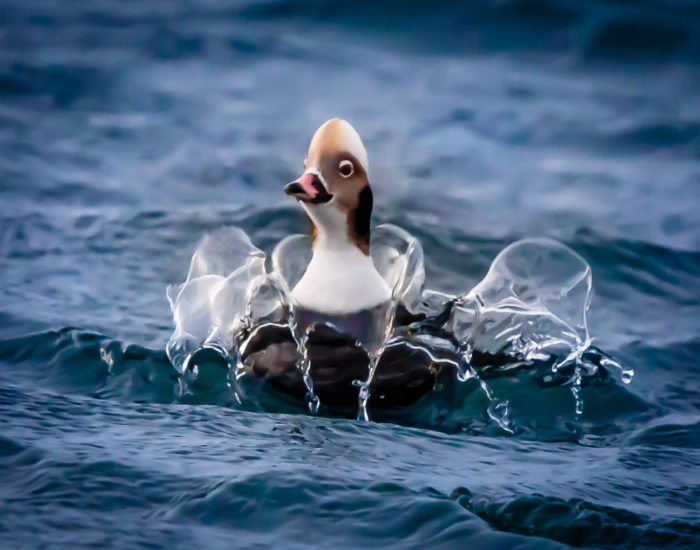
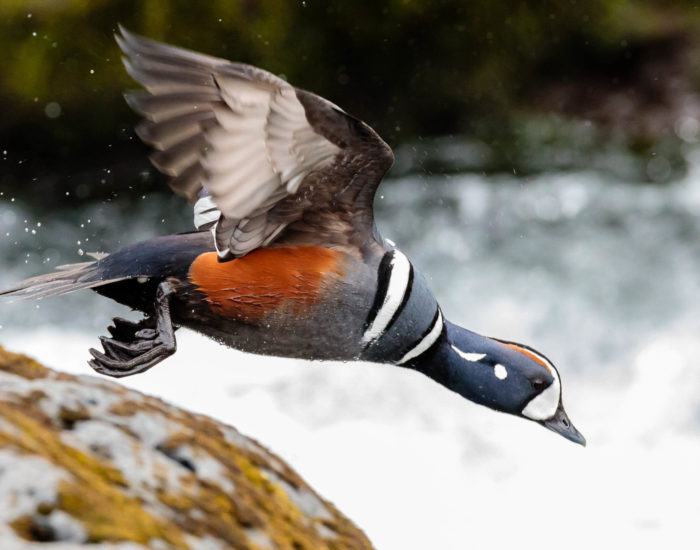
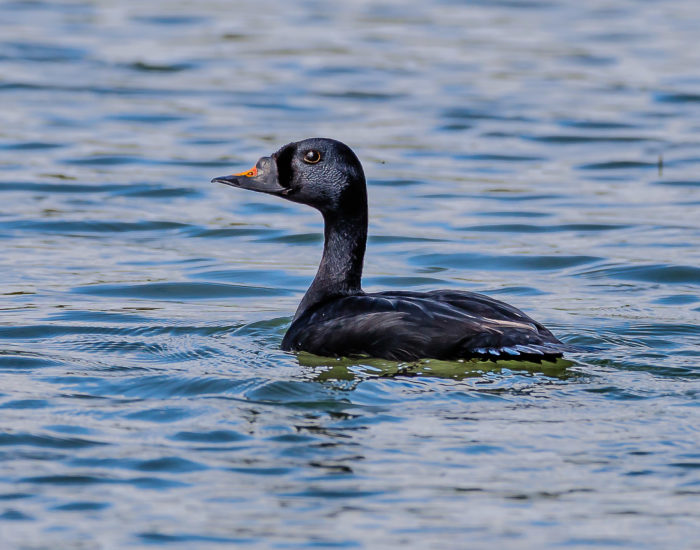
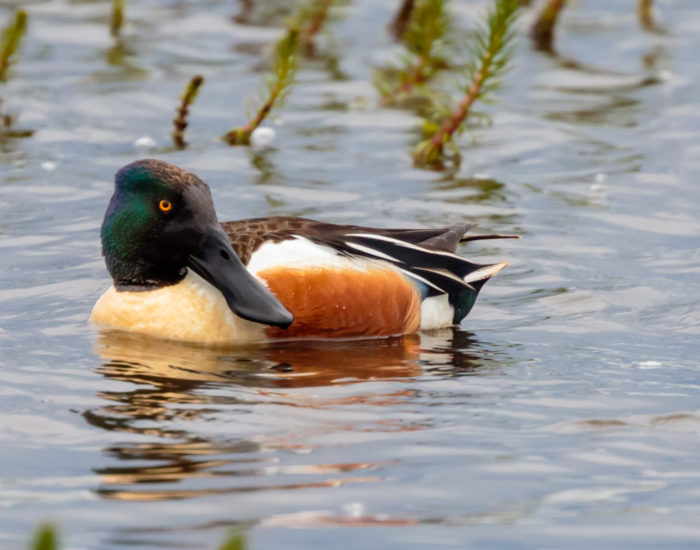
Ducks
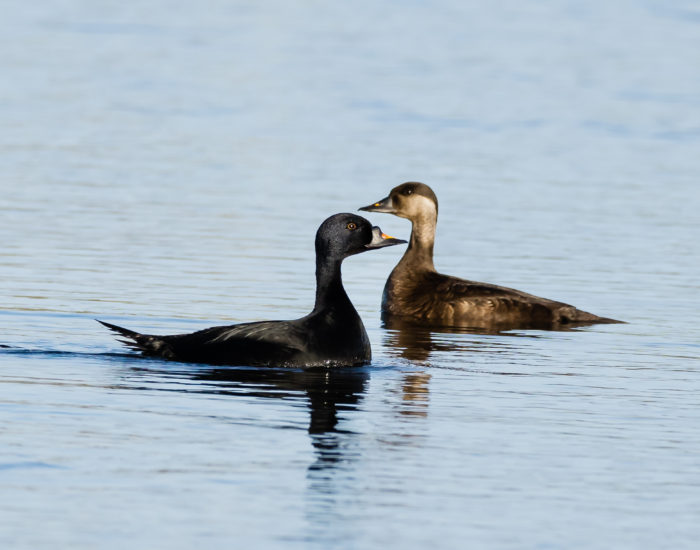
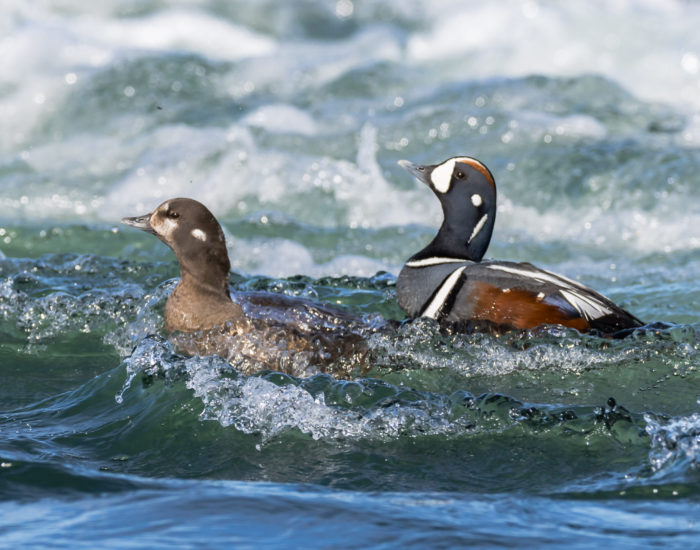
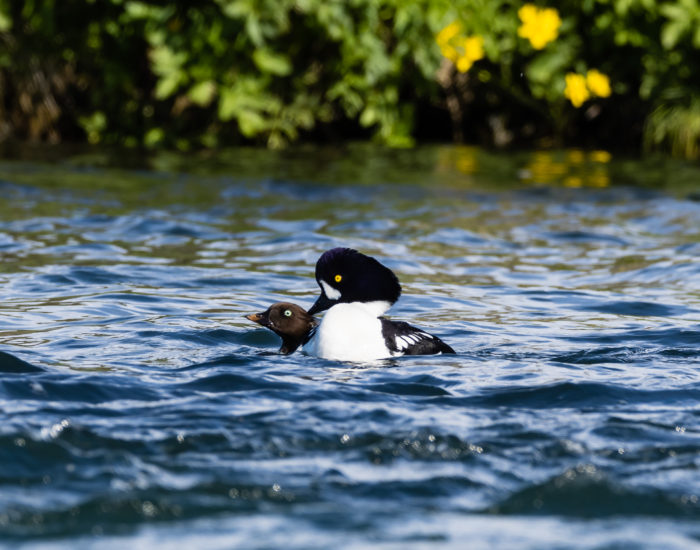
Sixteen duck species breed in Iceland on a regular basis. The male ducks are always bigger than the females. Usually the males are also more colorful and even more beautiful than the females.
Arctic Tern
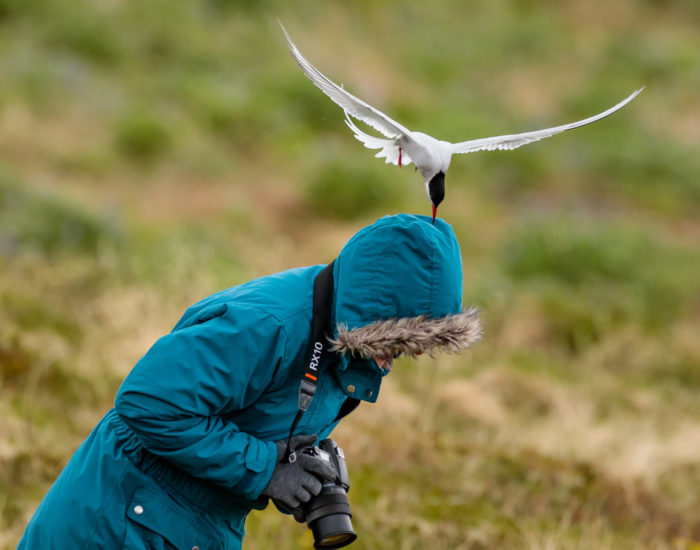
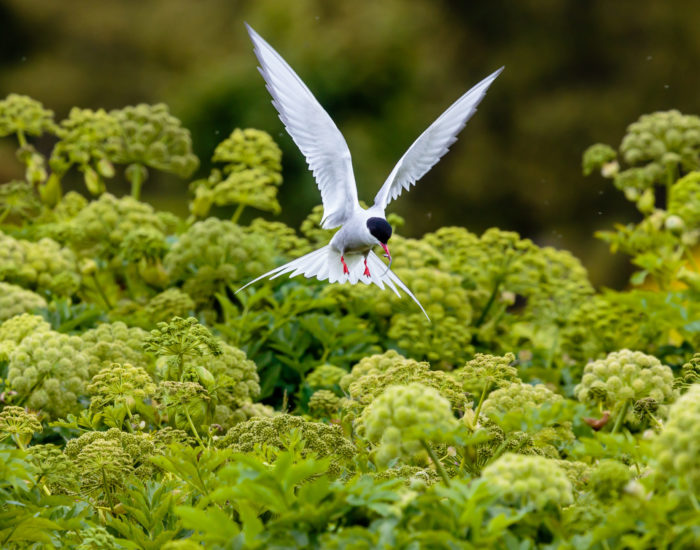
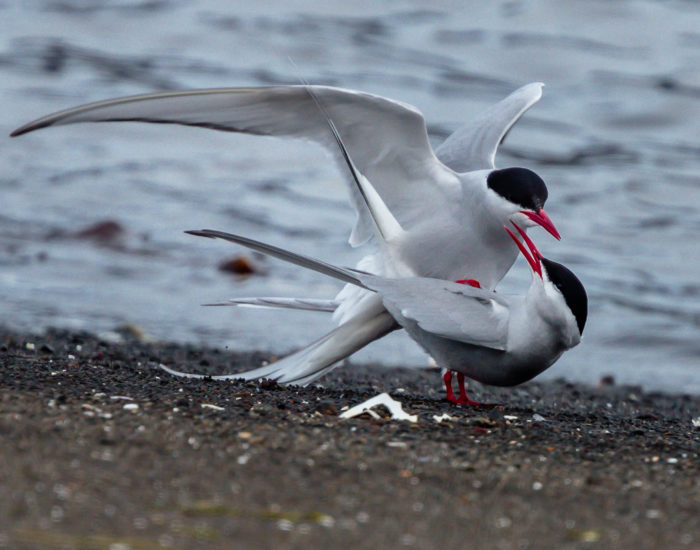
The Arctic Tern is the defensive force of some other birds, as it is known for its powerful air warfare in its nesting ground. Sometimes we humans are the target of this warfare, for instance when we venture to the cliff of Skálanes, at the mouth of Seyðisfjörður in East-Iceland.

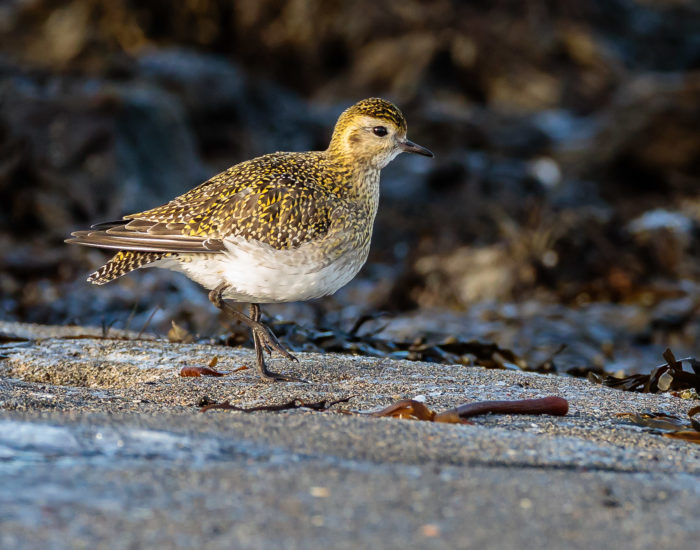
European Golden Plover in winter plumage
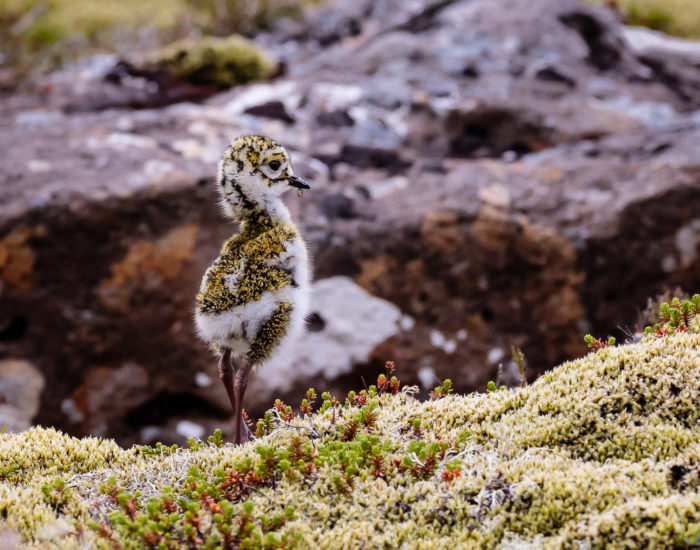
European Golden Plovers are very common in Iceland and usually almost all of them winter in the British Isles, along the coasts of West-Europe an North-Africa. According to Icelandic tradition their arrival from the south is considered to be the harbinger of spring and summer. However, sometimes a few plovers stay the whole winter in the southwestern part of Iceland.


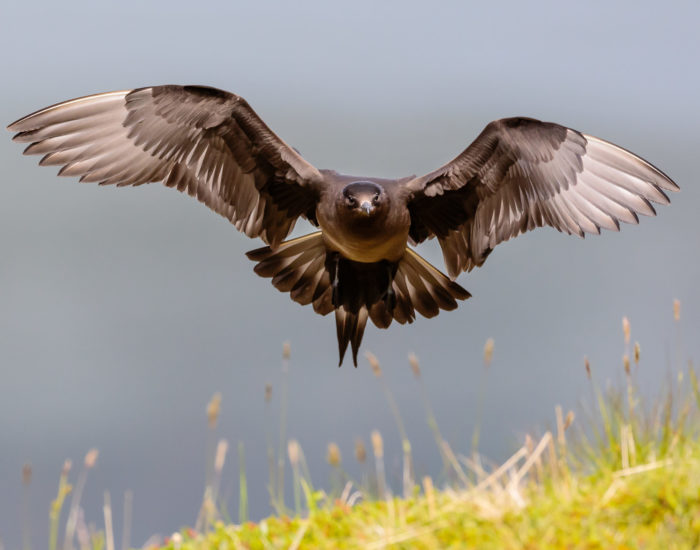
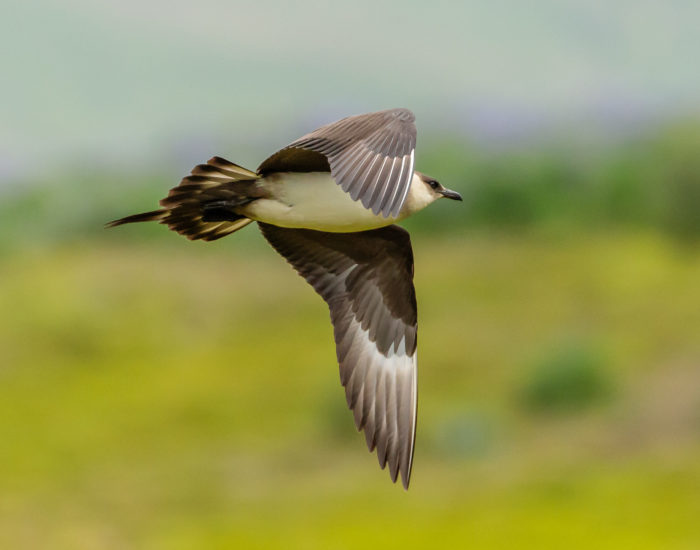
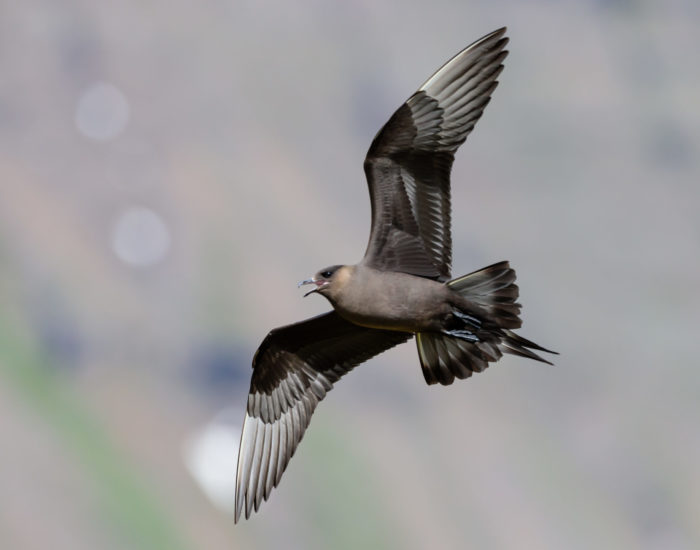
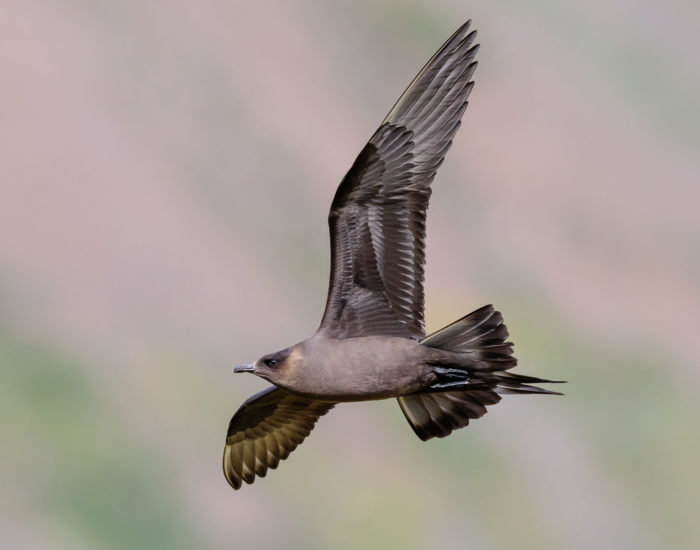
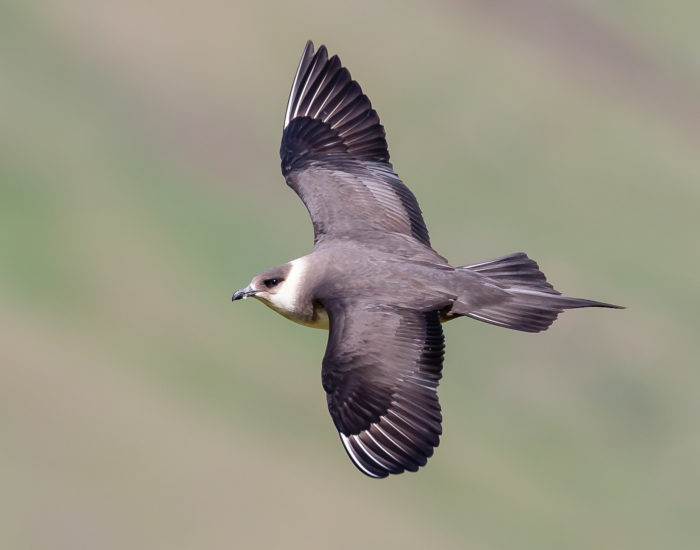
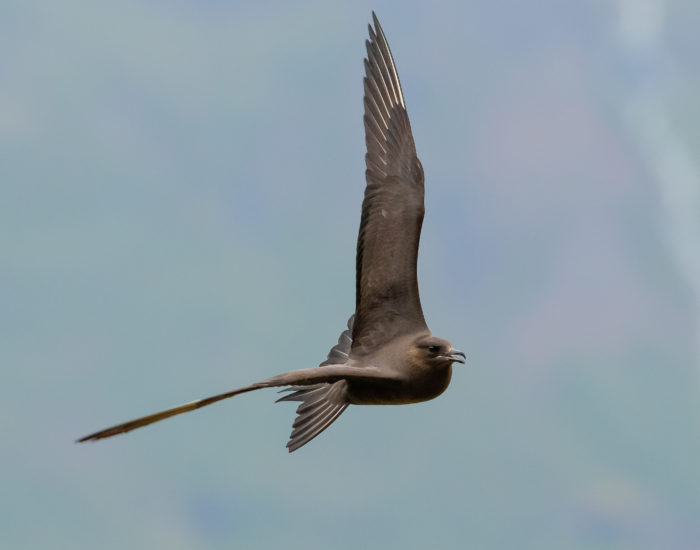
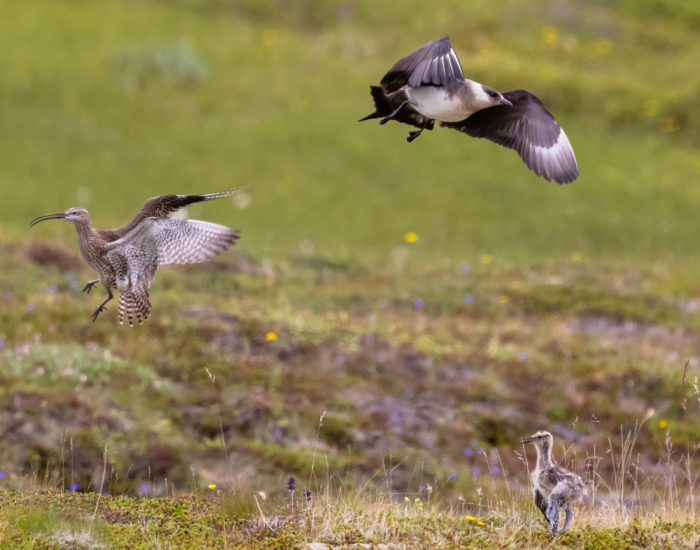
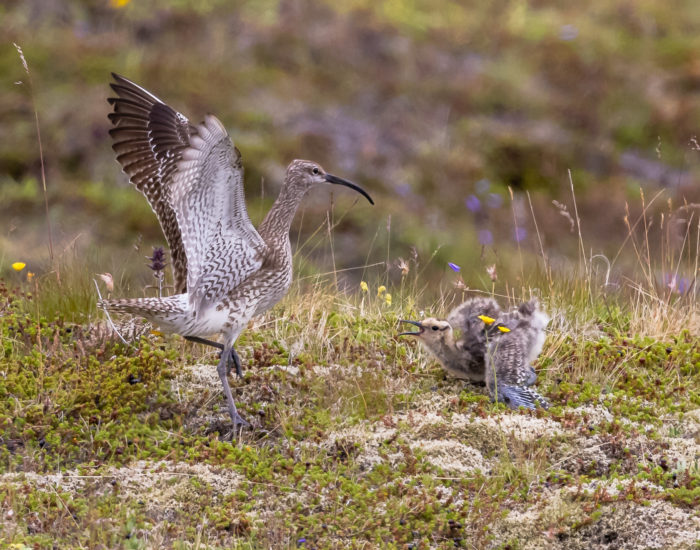
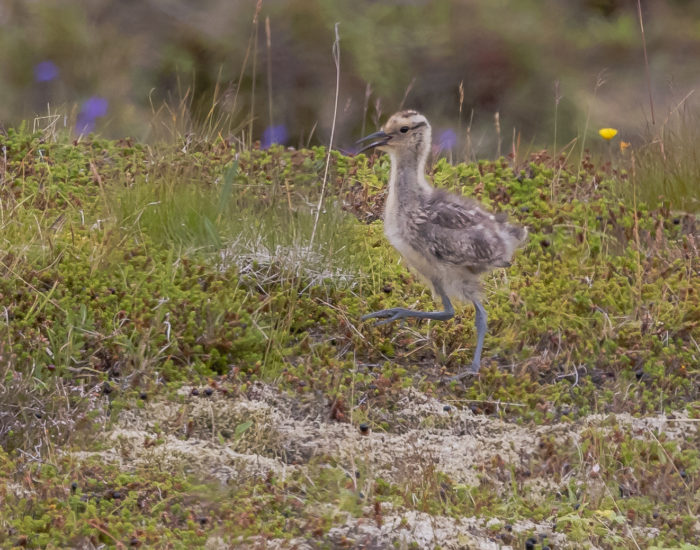
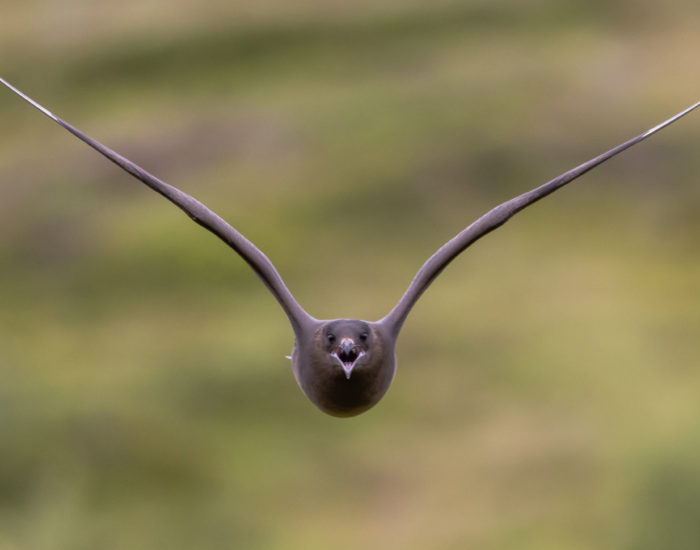
Arctic Skua and Whimbrel
A pair of Arctic Skua nests on a mountain above
Seyðisfjörður, the most beautiful town in East-Iceland. During the nesting
season they are continuously fighting with Whimbrels because the skuas feed on
eggs and chicks. I saw one skua trying to catch a Whimbrel chick but the
little one escaped with help from its parents. Like Whimbrels skuas defend
their nest vigorously, fly towards people who approach and sometimes slap the
wings on their heads. Arctic skuas are migratory and fly around 14,000
kilometers from their wintering grounds in the southern hemisphere to their
nesting site in Iceland. They are superb flyers, often chase other birds, force them
to drop their food and catch it before it hits the sea.