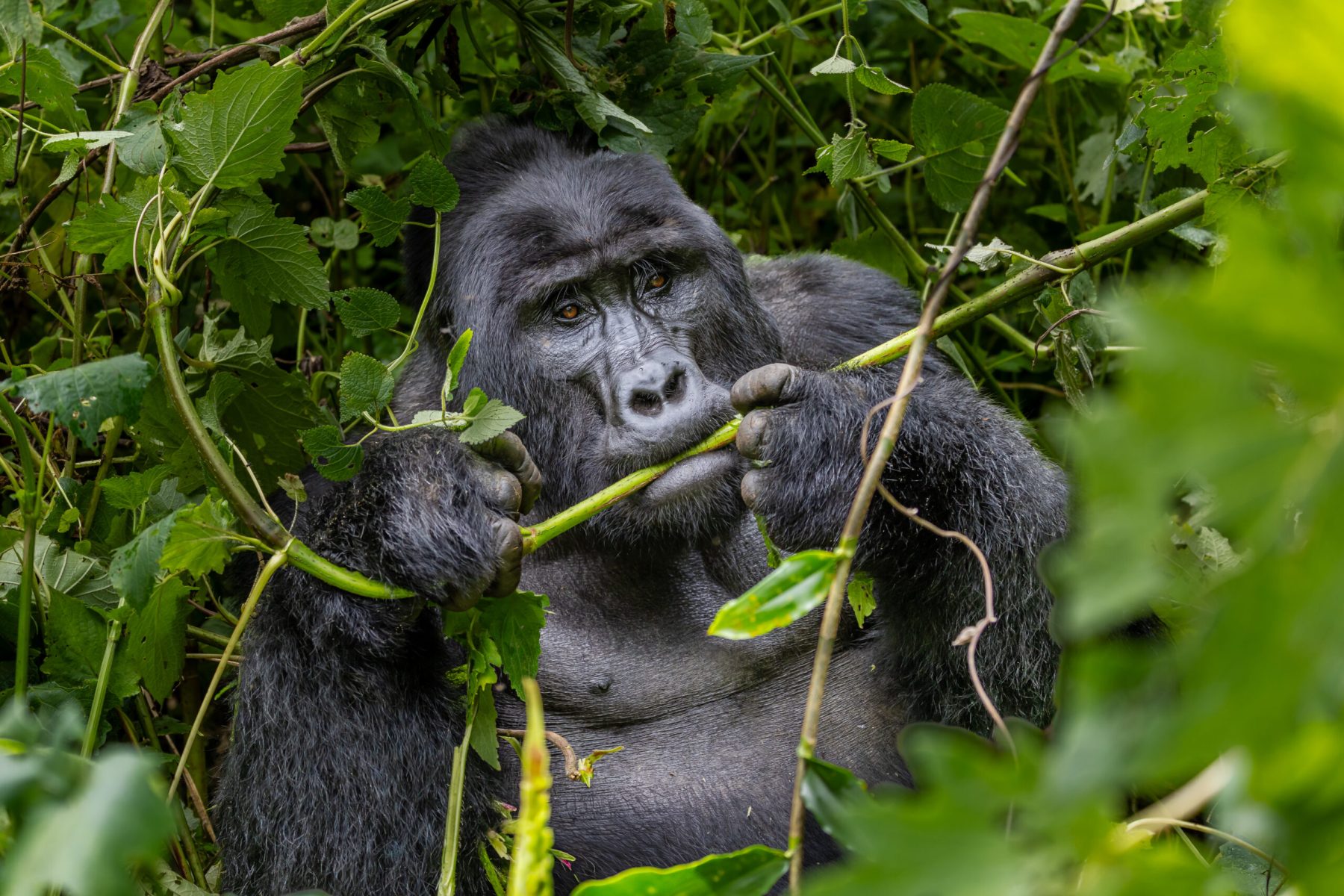
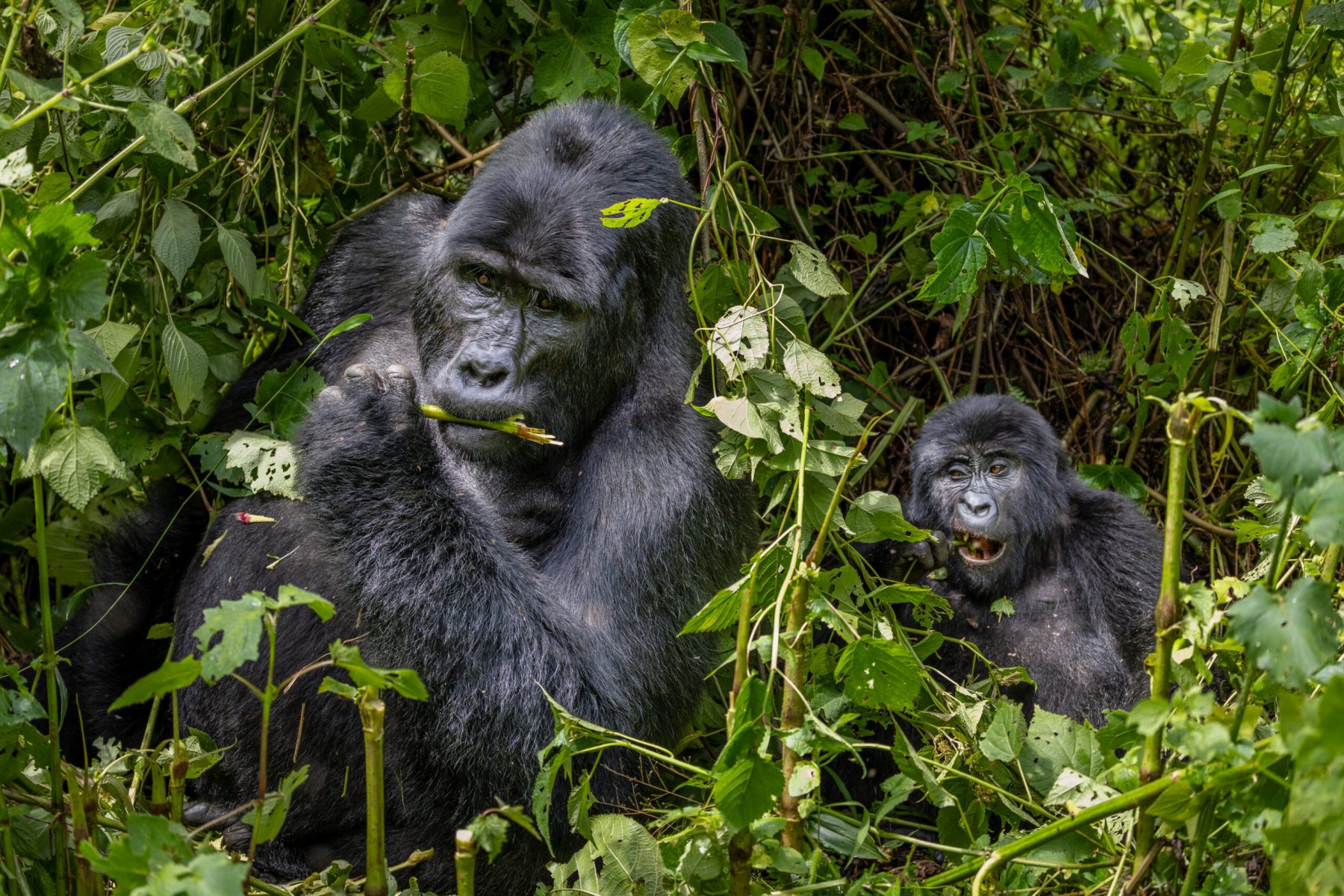
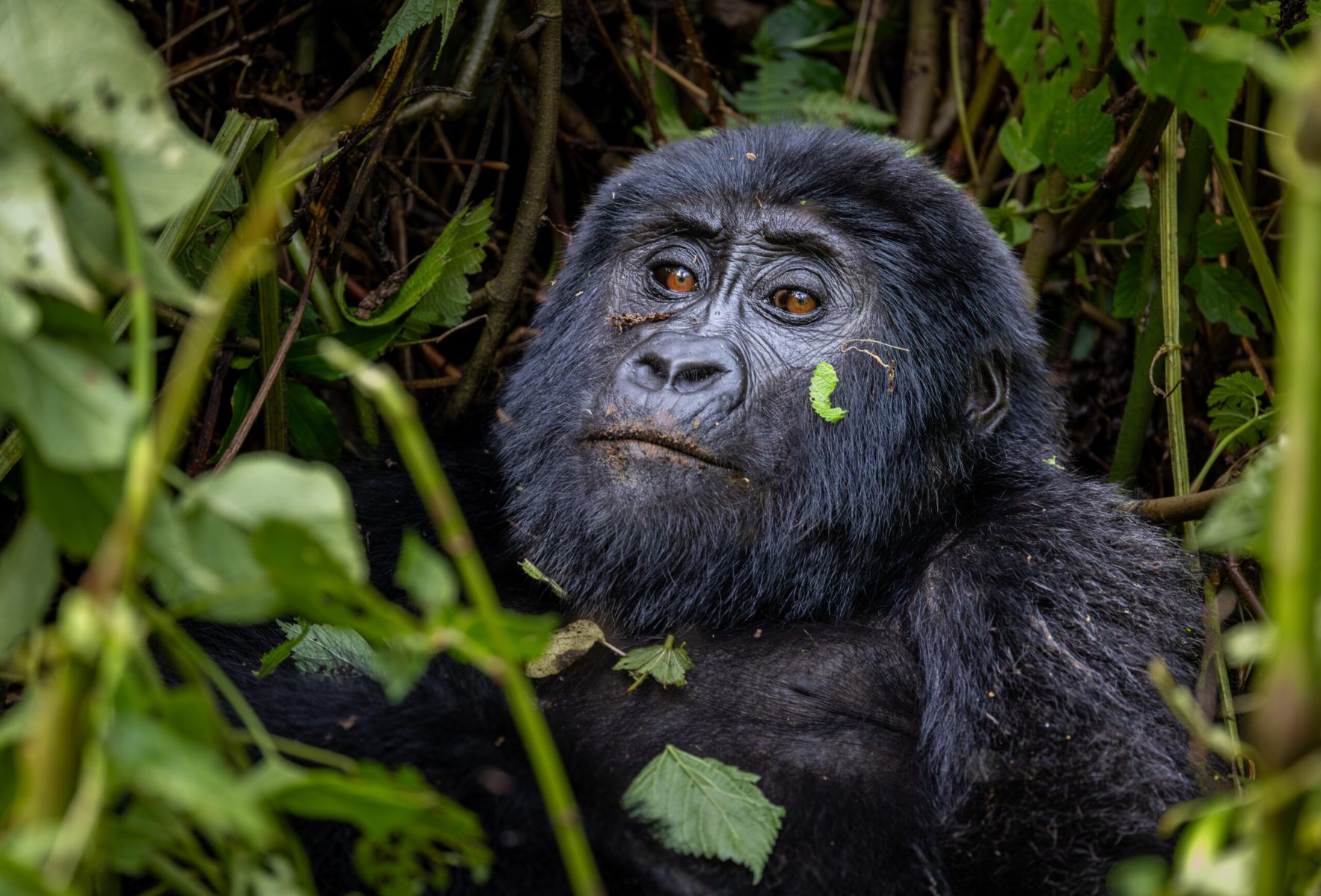
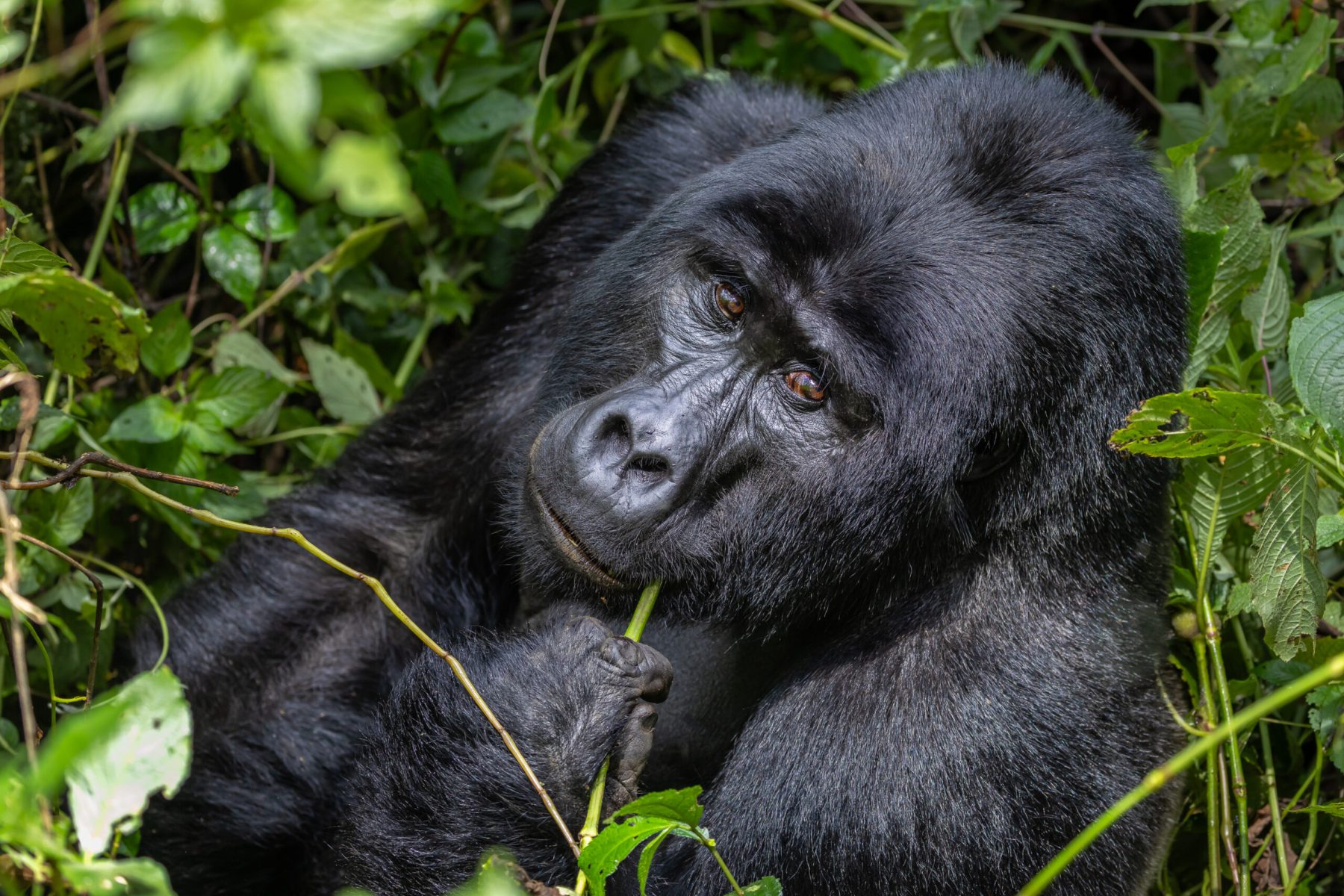
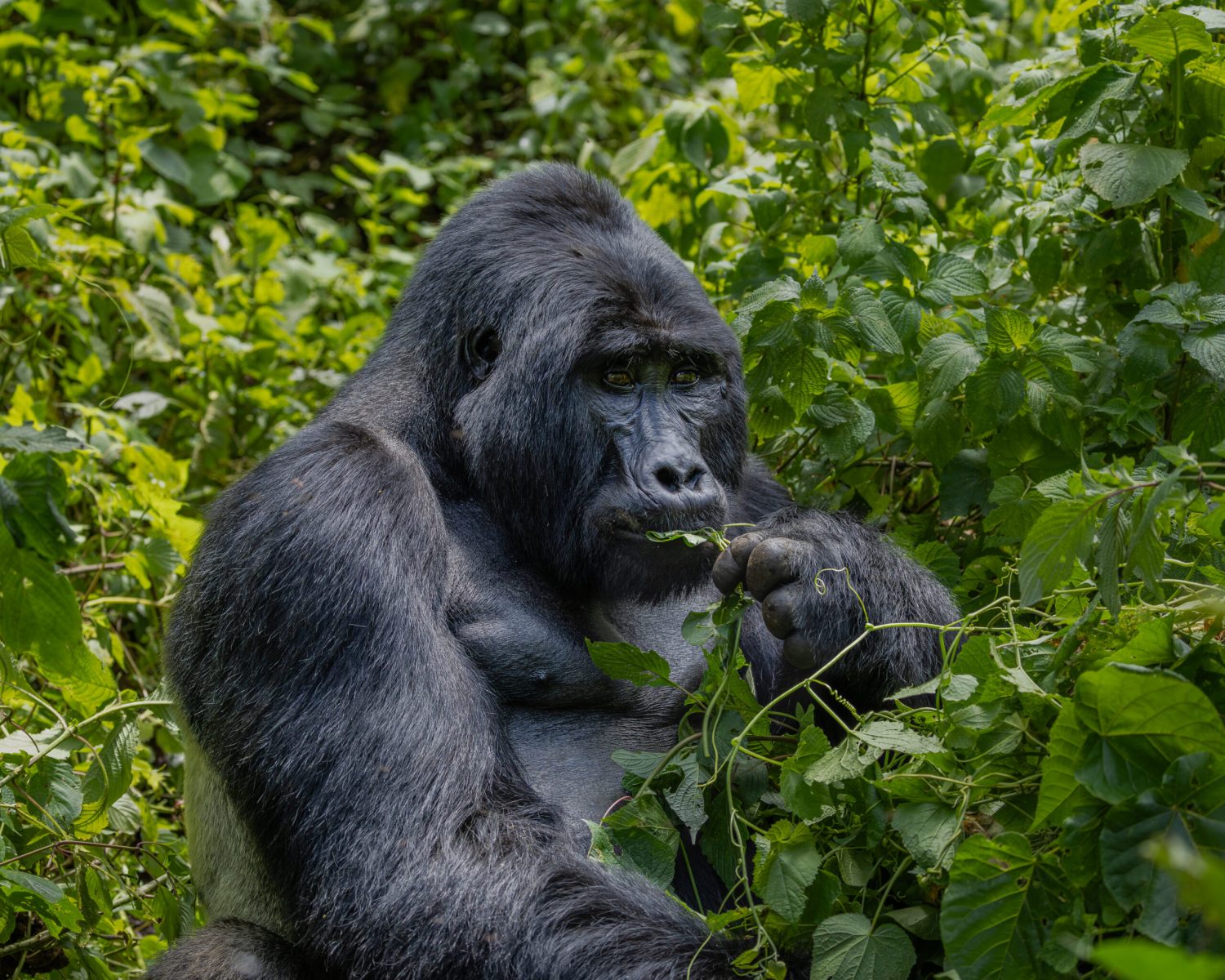
Little Hanna, the adventure girl, took me to a jungle in Uganda to see the mountain gorillas. It was an unforgettable experience. Mountain gorillas have been in high danger of extinction, but their numbers have increased greatly in recent decades. It is estimated that they are now about 1,060, but they are said to have been fewer than 300 in 1980. Adult male gorillas are called silverbacks because they have a silvery colour on their backs from the age of 12. Silverbacks are usually 161-171 cm tall and weigh 120-191 kilograms, while females are smaller and stay under 100 kilograms. Mountain gorillas are herbivorous and mainly eat leaves, stems, and fruits. Silverbacks eat an average of about 19 kilograms per day, while females eat about 15.
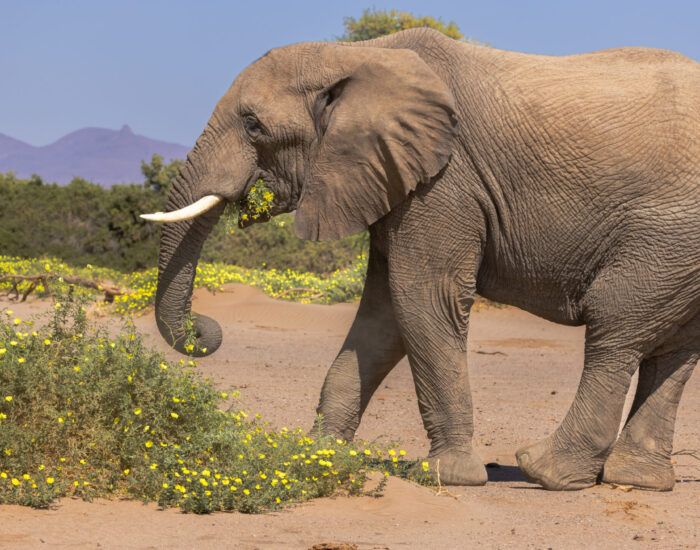
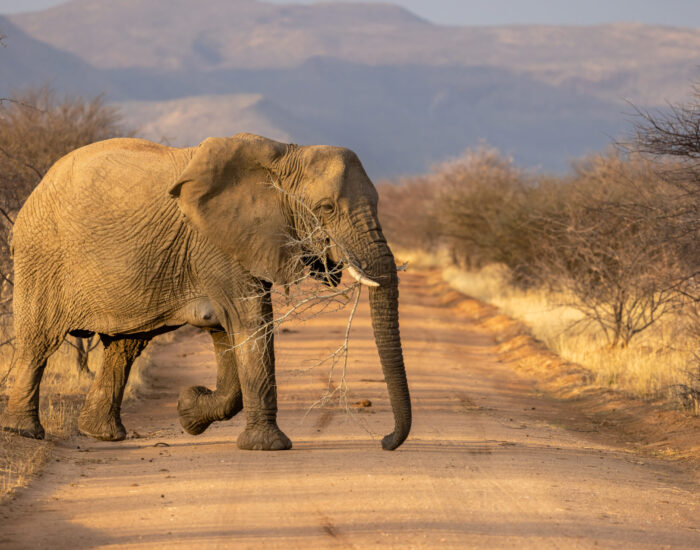
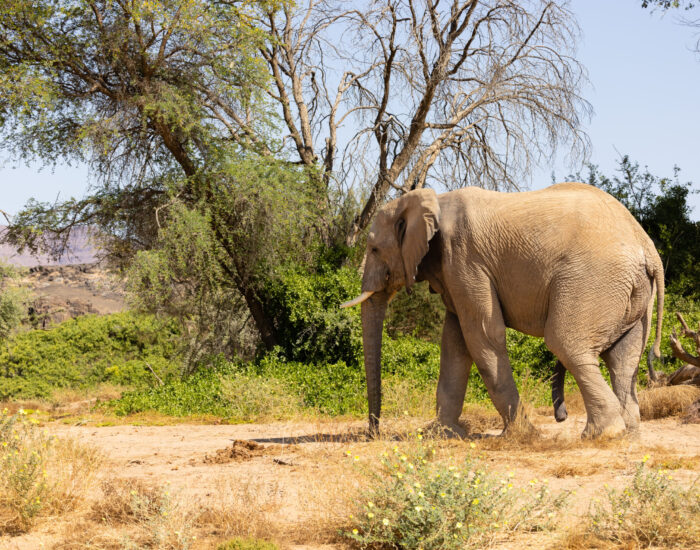
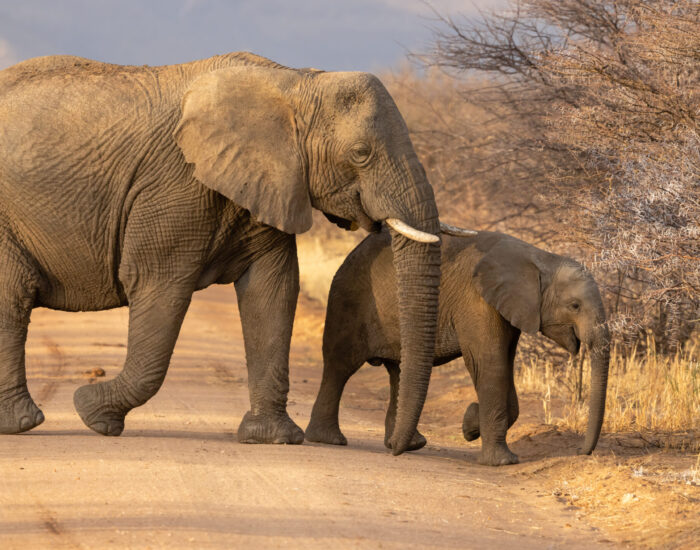
There are two species of elephants in Africa, the African bush elephant (Loxodonta africana) and the African forest elephant (Loxodonta cyclotis), which is smaller and darker. The bush elephant is the largest and heaviest terrestrial animal in the world. Adults reach up to 7.5 meters in length and 3.96 meters in height and weigh up to 10 tons. They spend much of the day foraging and eating grass, leaves, bark, fruit, foliage, and flowers. The average adult eats about 230 kilograms each day and drinks 180 liters of water. Namibia’s conservation drive has seen its elephant population increase from around 7,500 in 1995 to more than 24,000 today.
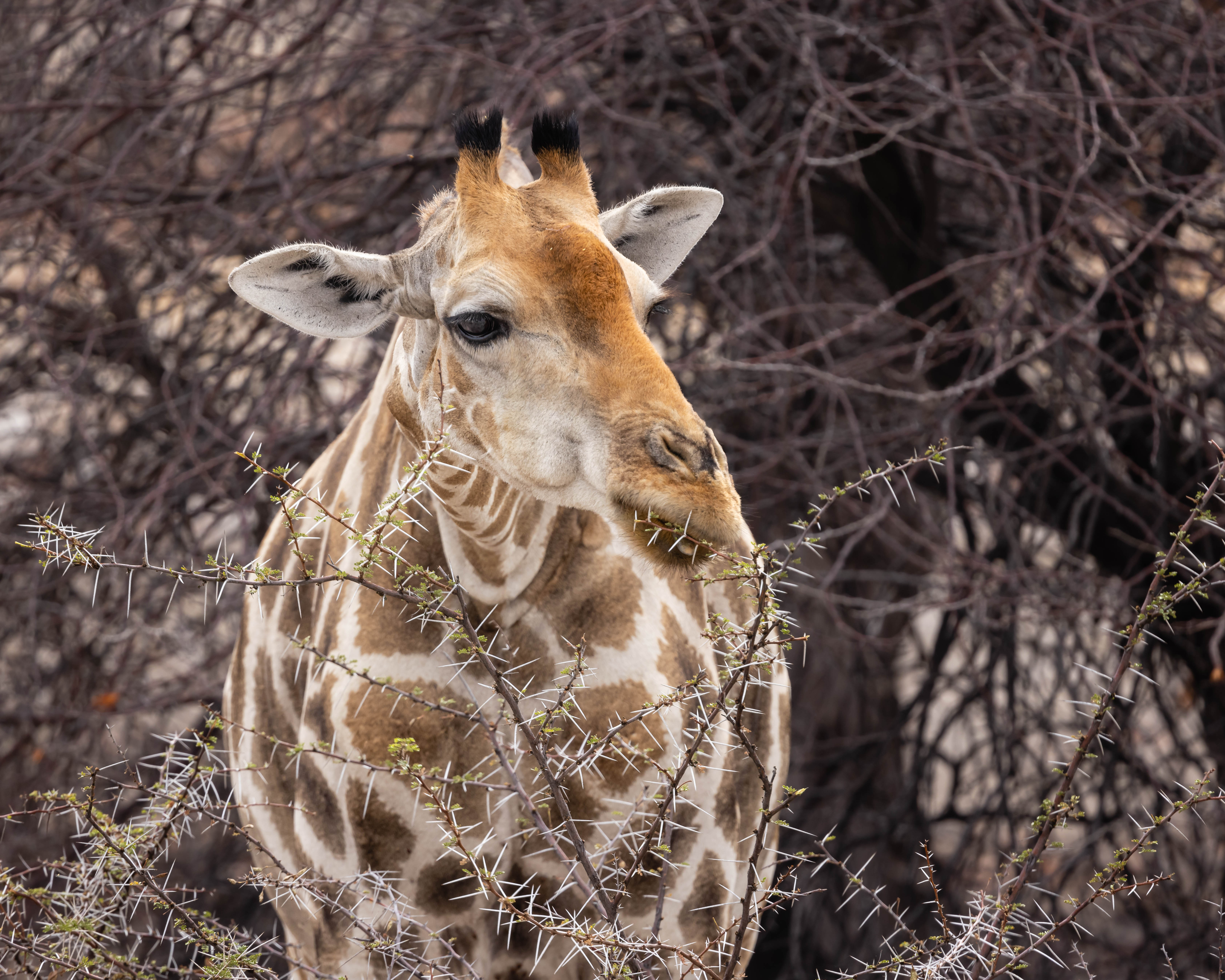
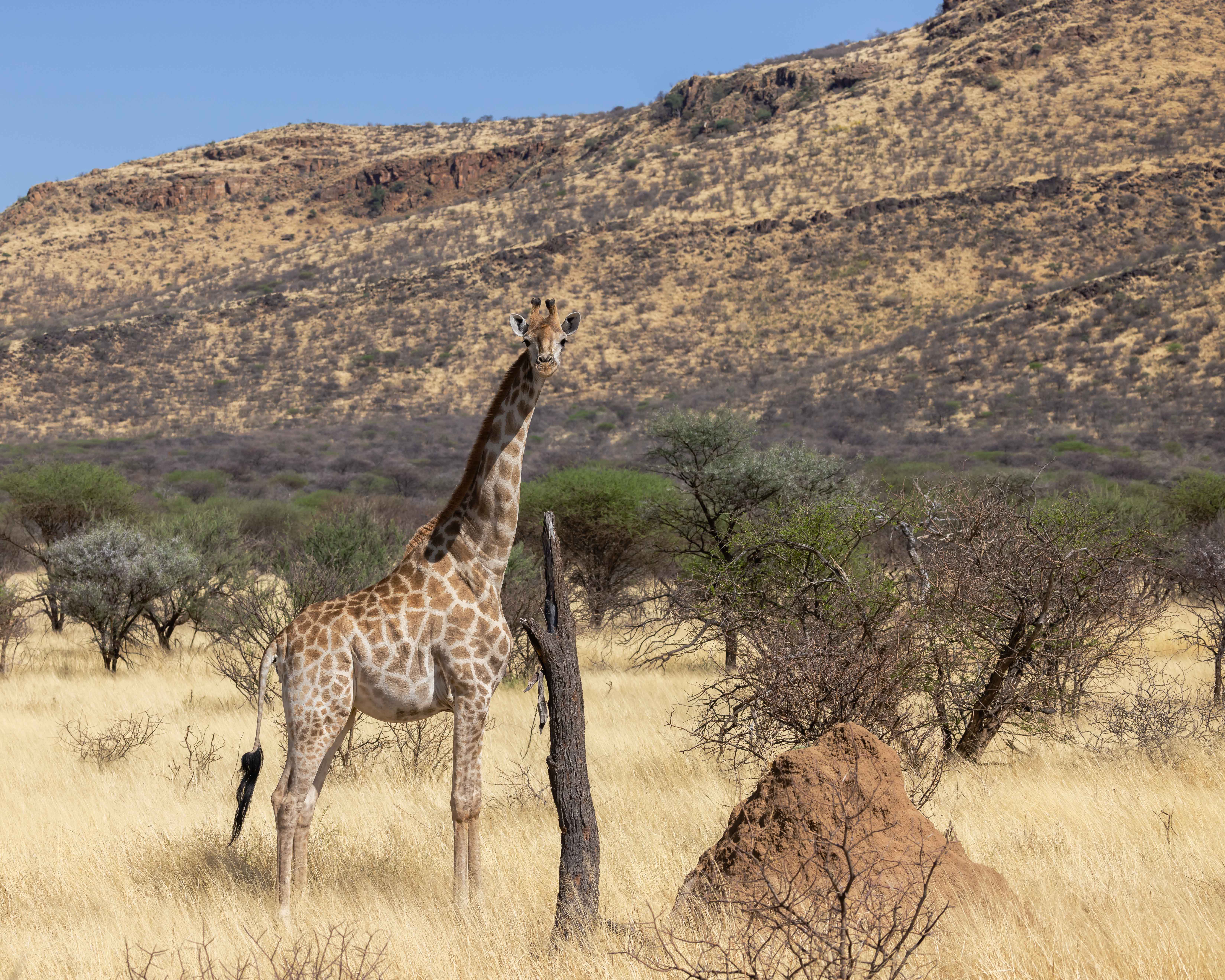
Giraffes are the tallest living terrestrial animal on earth (4.3-5.7 meters), with the longest neck (up to 2,4 meters) and the longest legs (1.8 to 2.1 meters). Because of their height, giraffes have a big heart, weighing up to 11 kilograms, and they have higher blood pressure than any other animal. When they lift their head, blood vessels in the head direct almost all the blood flow to the brain, and not other parts of the head, such as the tongue or skin. Finally, they have the longest tongue, which is 45 to 55 cm long. It is prehensile, allowing the giraffe to grasp and pull leaves into its mouth, using it much like an elephant uses its trunk to feed. The tongue and mouth have evolved specially to allow the giraffe to eat thorny branches without getting poked.
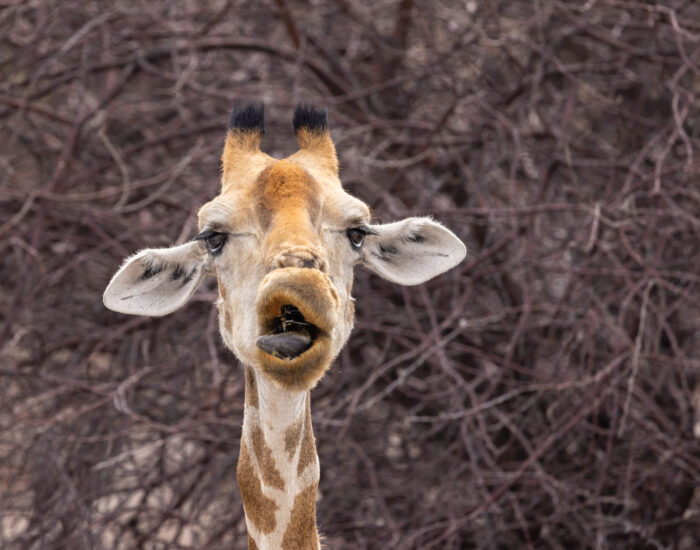
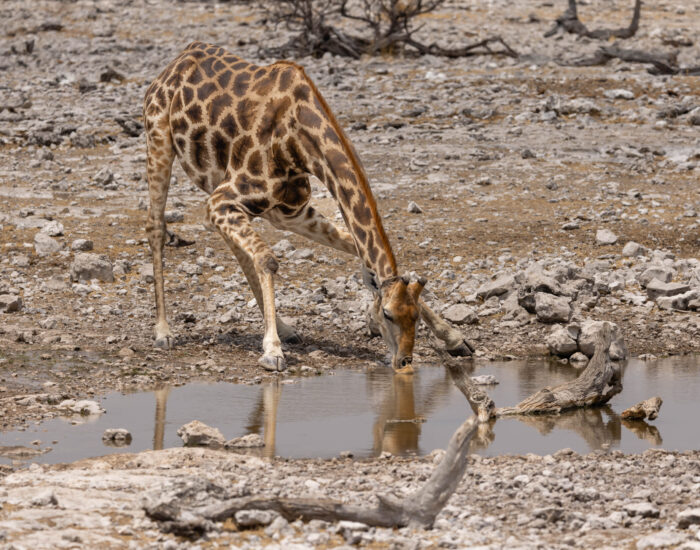
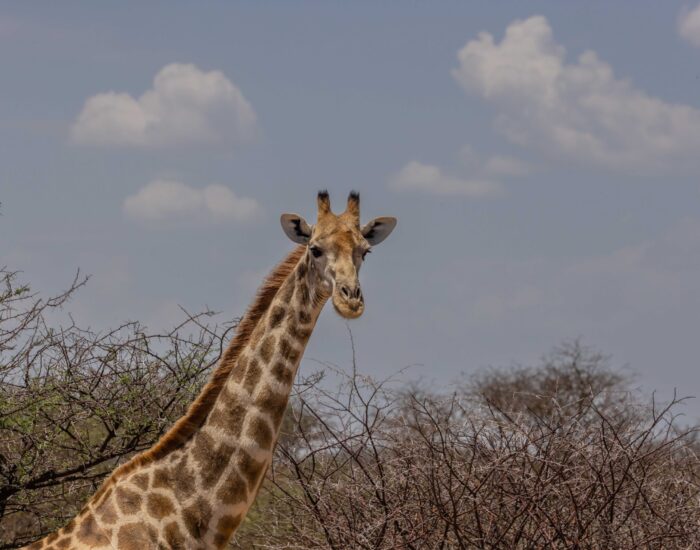
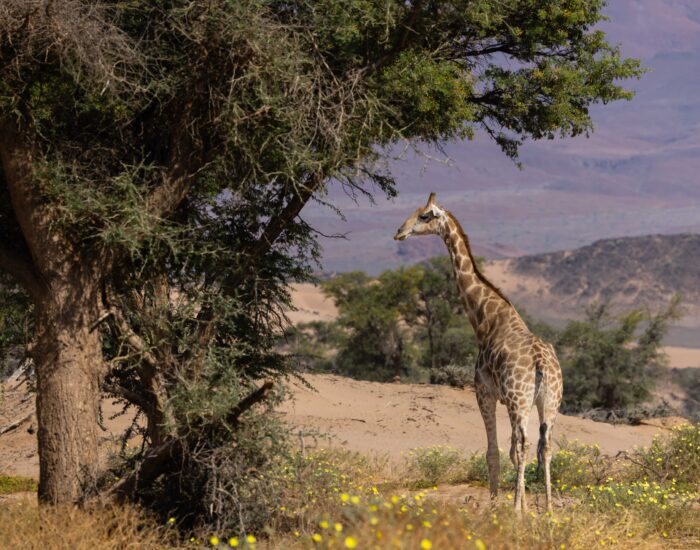
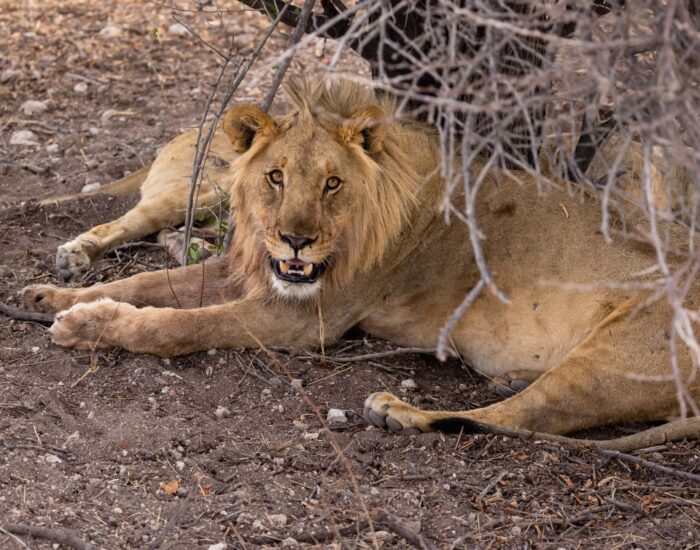
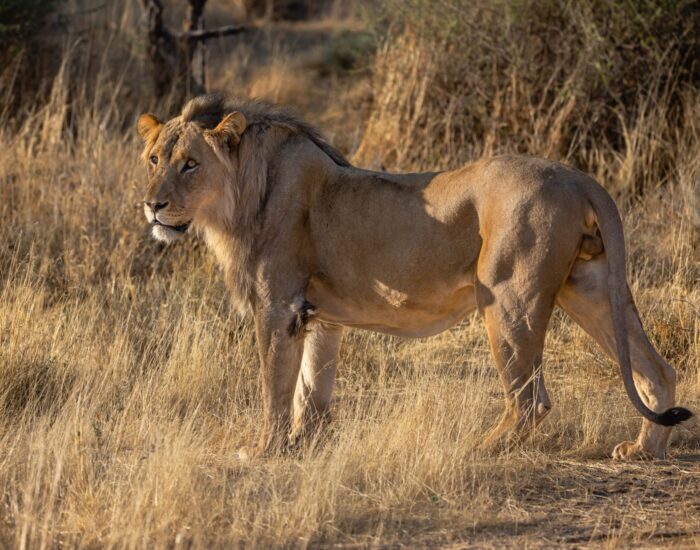
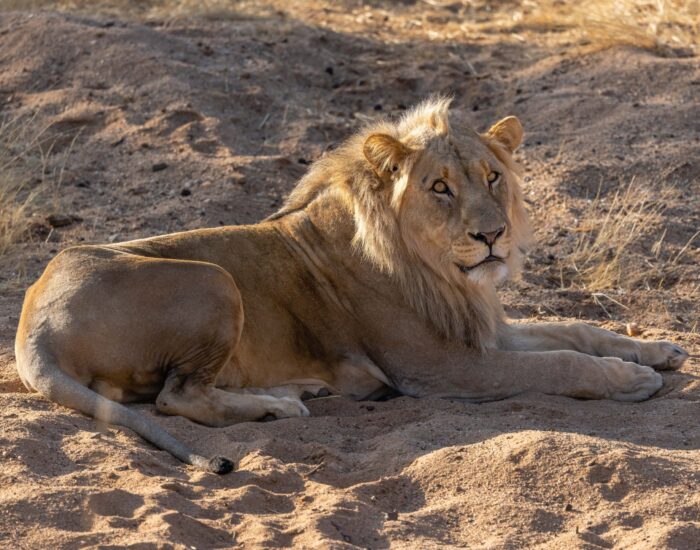
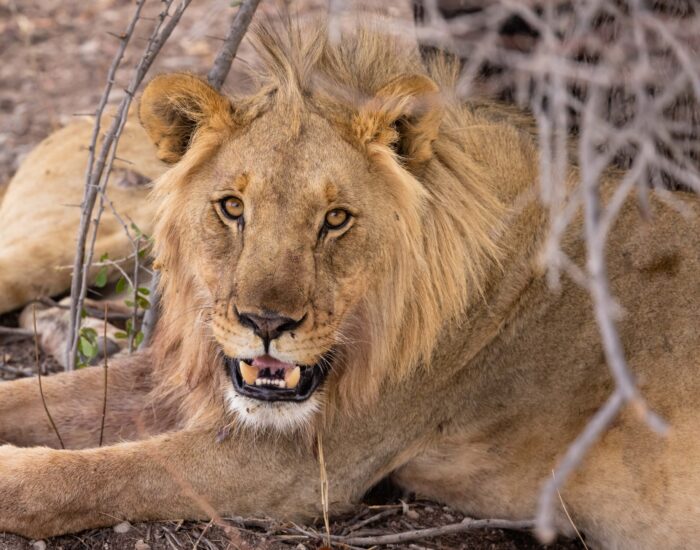
At least 150 lions live in the wild in Namibia, most in the Etosha national park and the northeastern part of the country. It’s believed that only around twenty lions were living in wild nature in Namibia three decades ago when a conservation drive began. Today there are 20,000 to 25,000 lions in Africa, and the population has decreased from 100,000 since the sixties. The decrease is mainly due to the loss of habitat in savannah areas because of agriculture and urbanization.
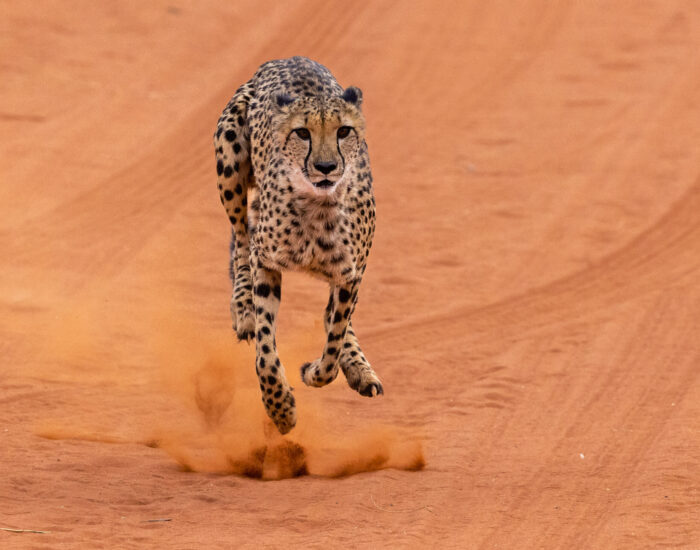
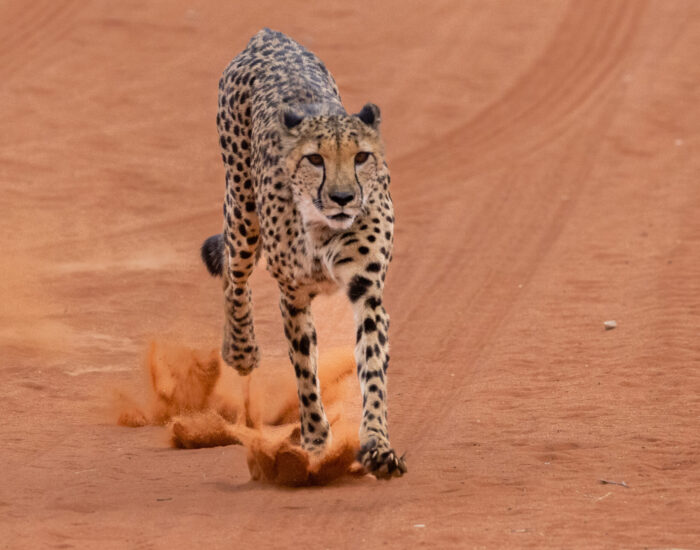
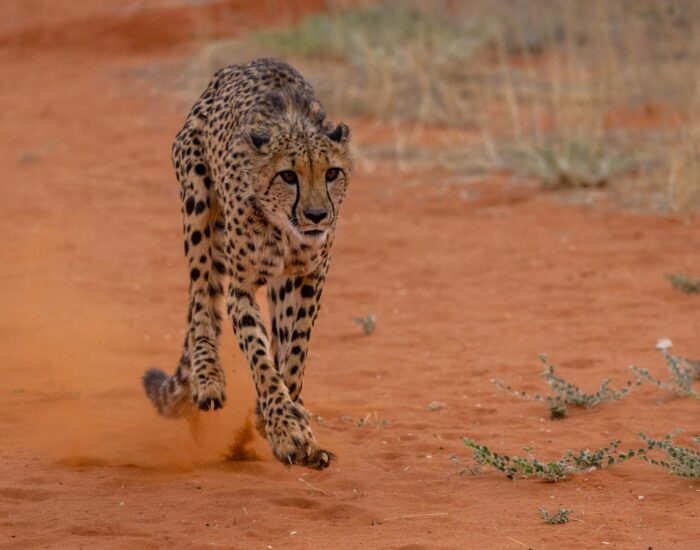
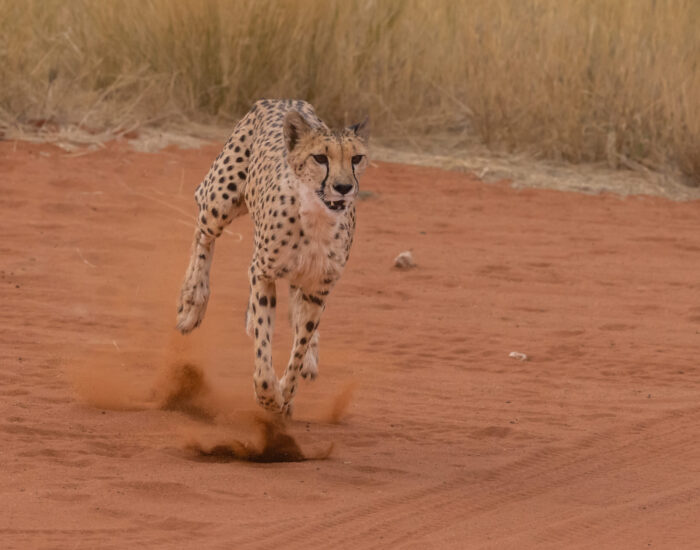
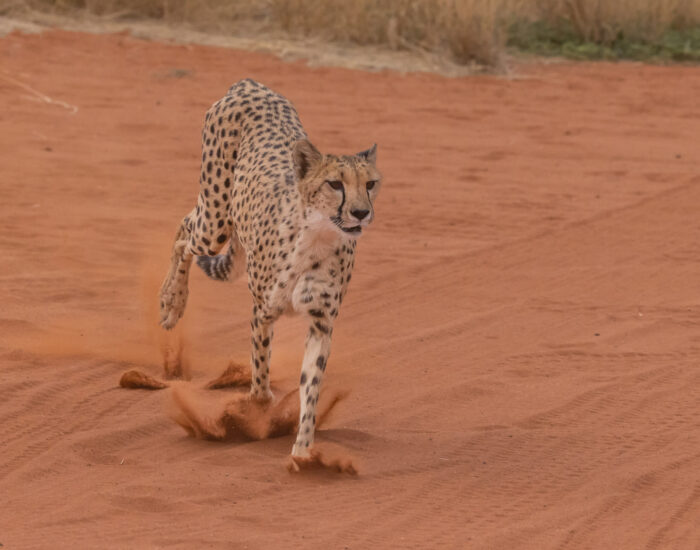
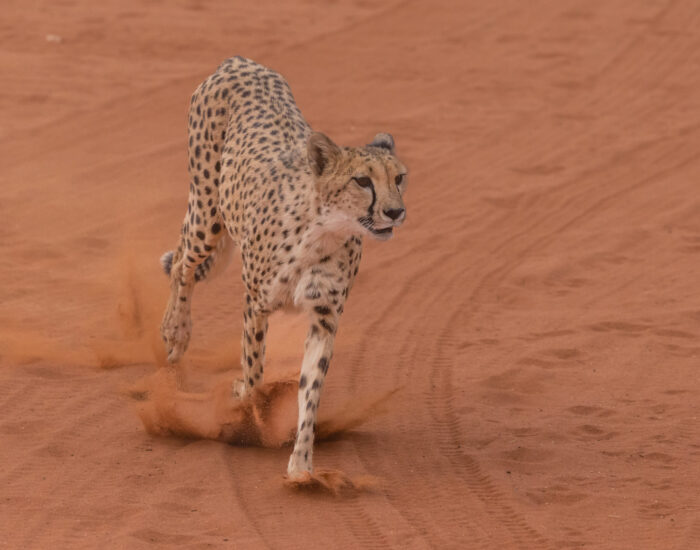
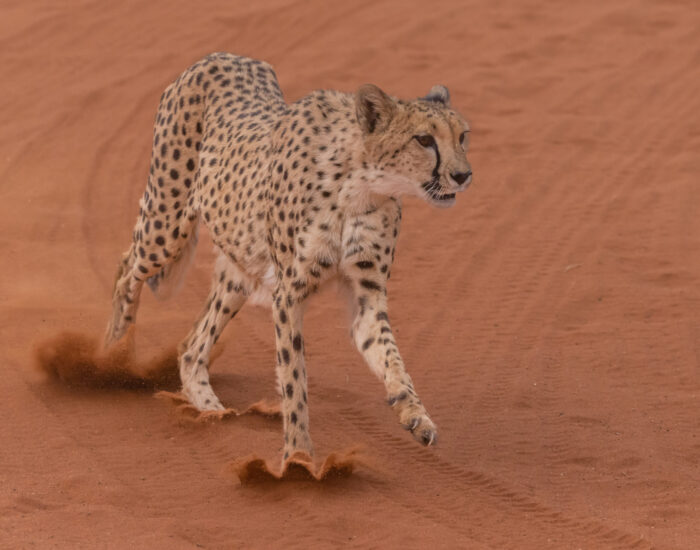
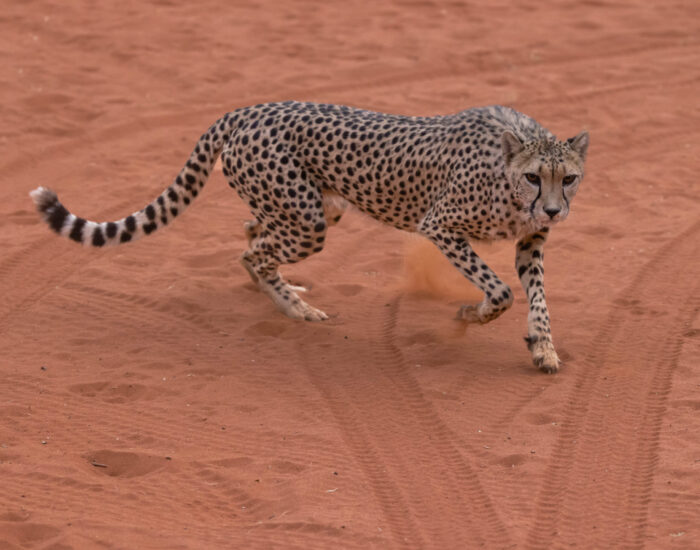
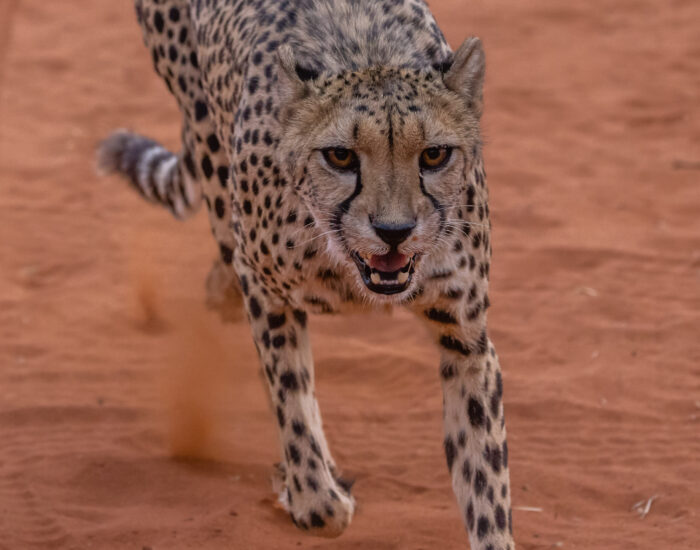
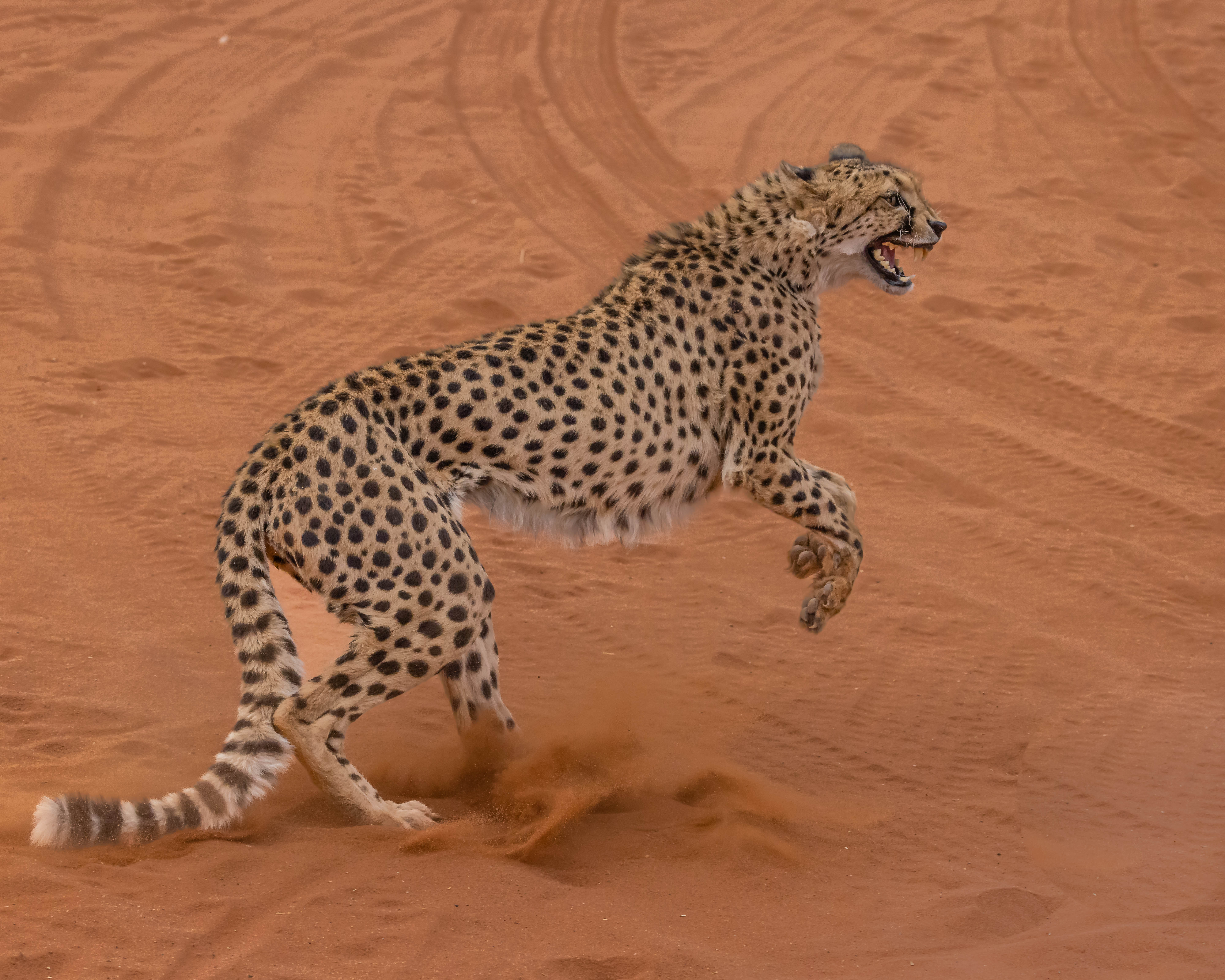
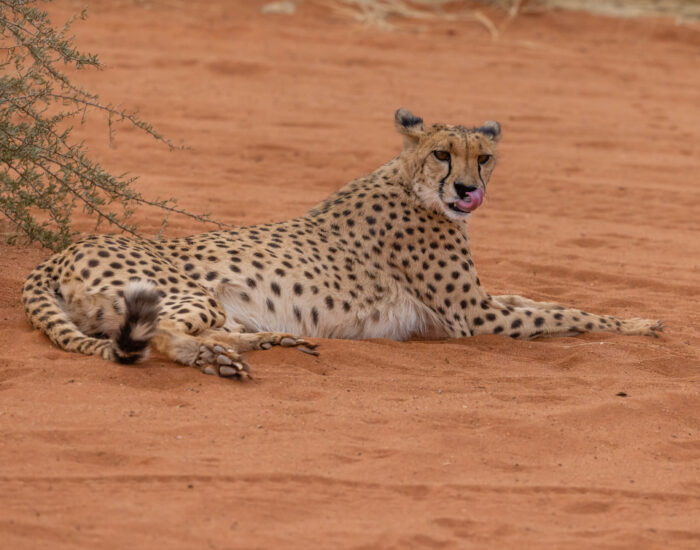
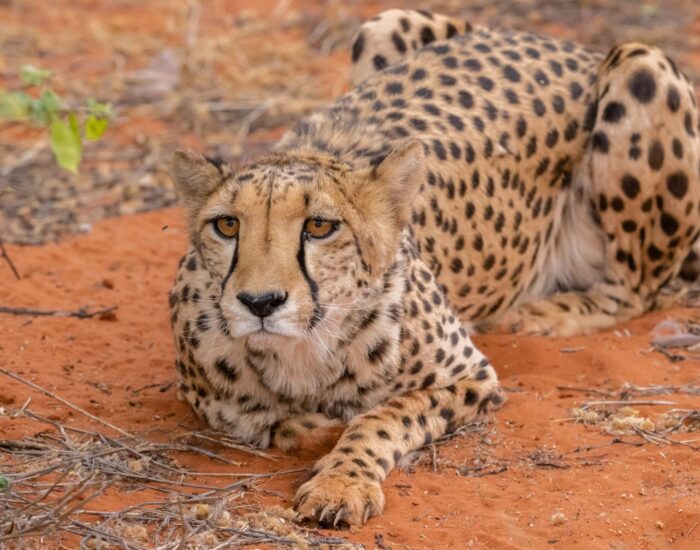
The Cheetah is the fastest terrestrial animal on earth, and its speed can reach more than 110 km per hour in only three seconds. At full speed, their stride length can be six to seven meters. Cheetahs prey on gazelles, impalas, and other medium-sized antelopes, as well as hares, birds, and rodents. Often, they lose their kill to stronger predators, such as lions and hyenas, which are dangerous rivals and are known to attack cheetah cups. On average, cheetahs live for 10 to 12 years (both males and females combined), but the average lifespan of an adult male in the wild is only eight years, due in part to territorial conflicts with competing groups of males. Cheetahs have lost around 90% of their habitat in the world, and their estimated global population in the wild is only 7,100. There are more cheetahs in Namibia than in any other country.
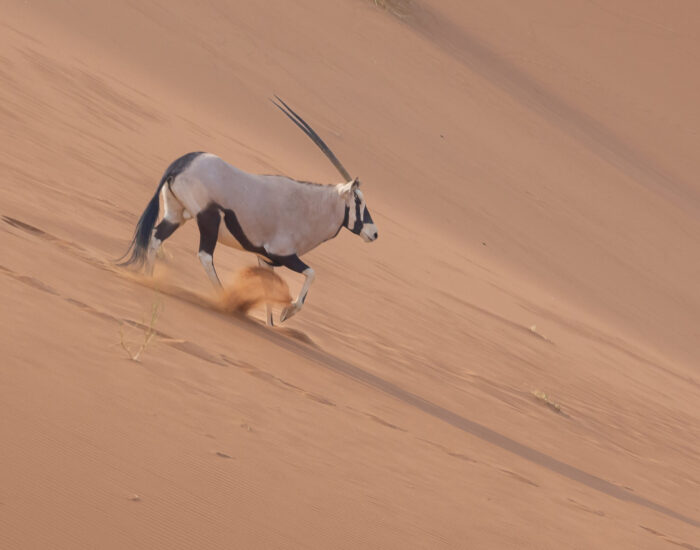
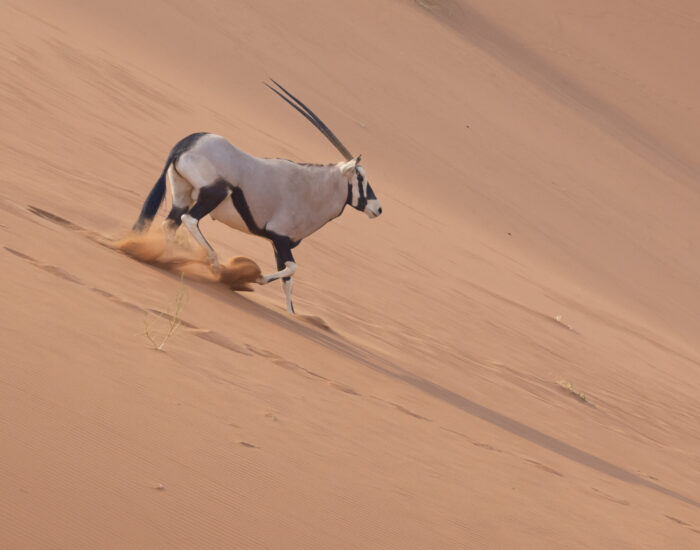
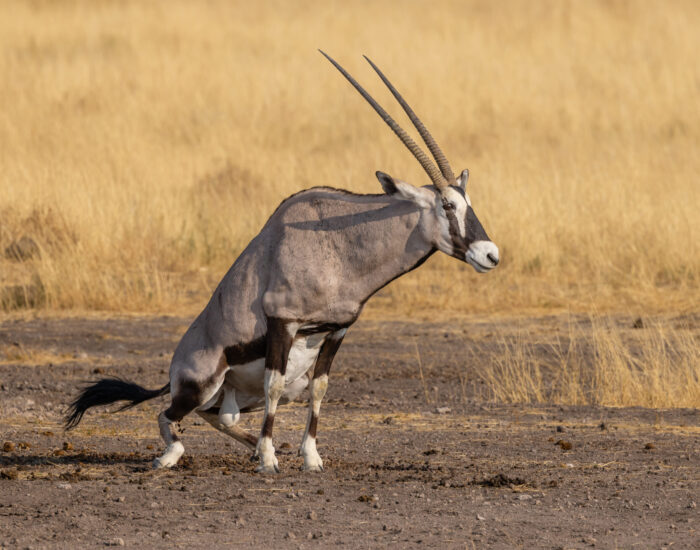
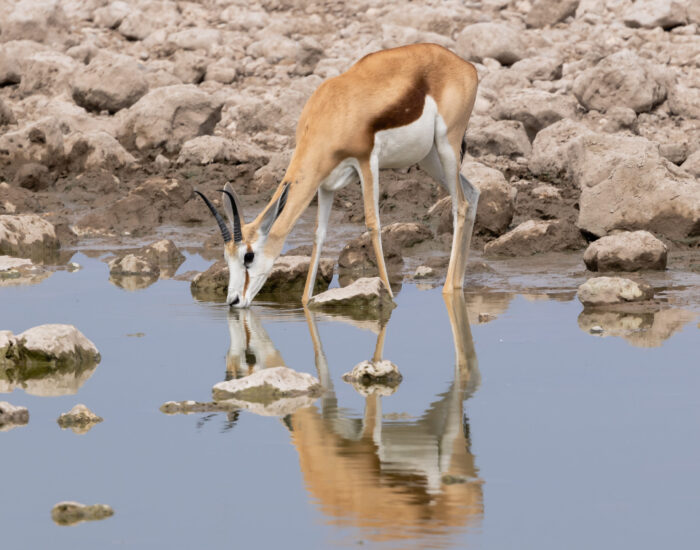
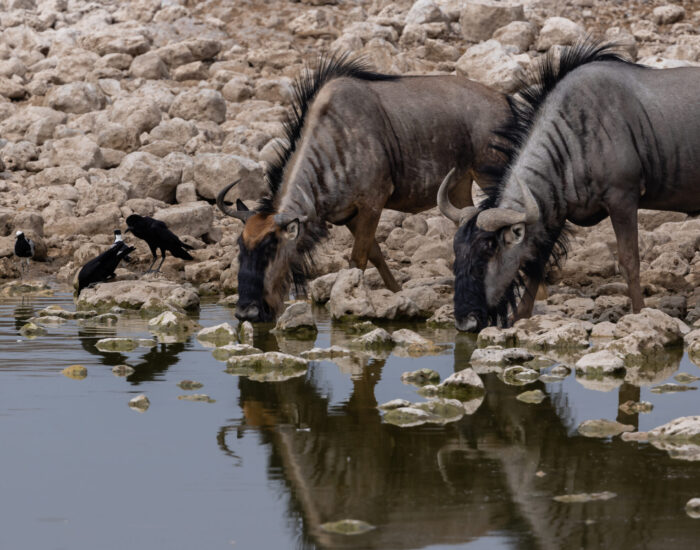
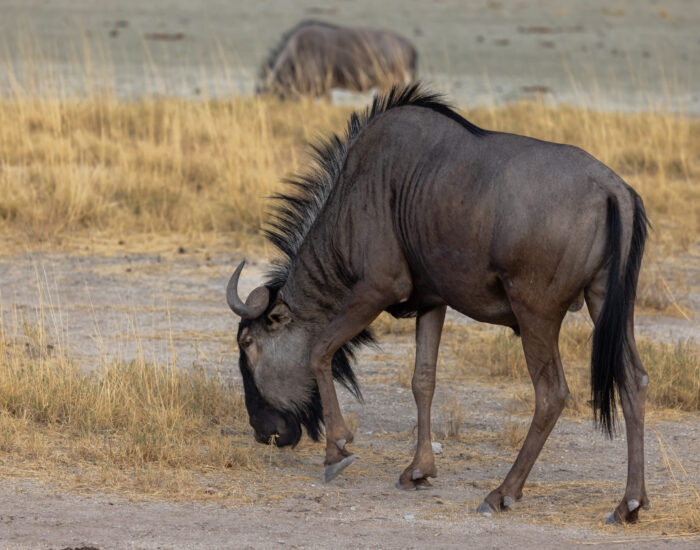
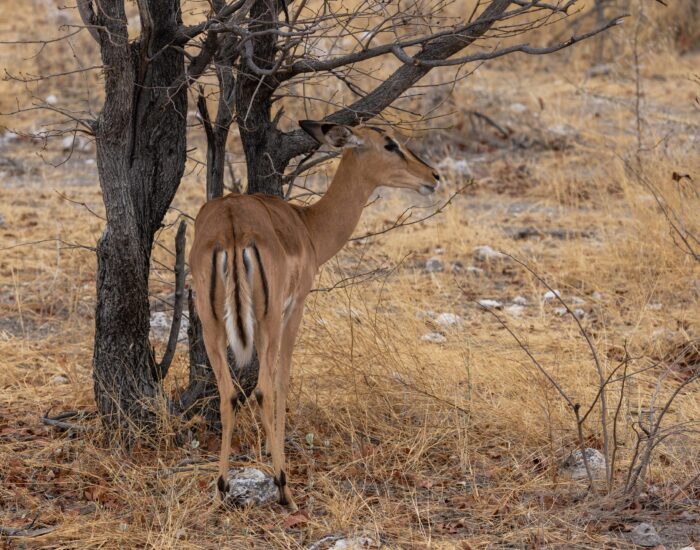
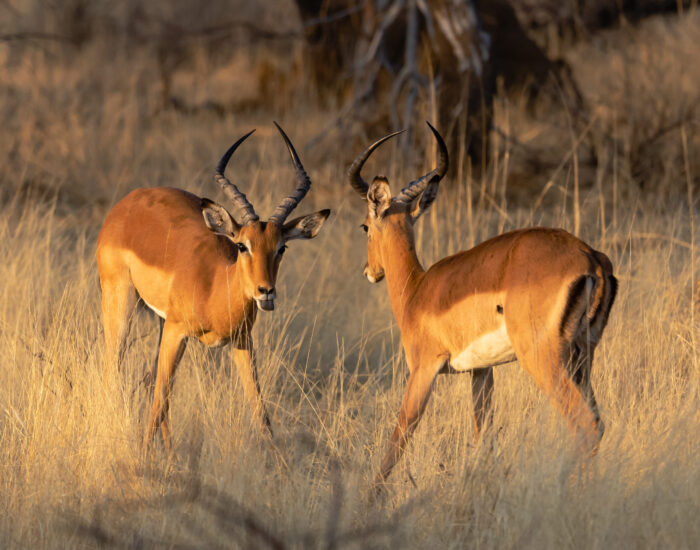
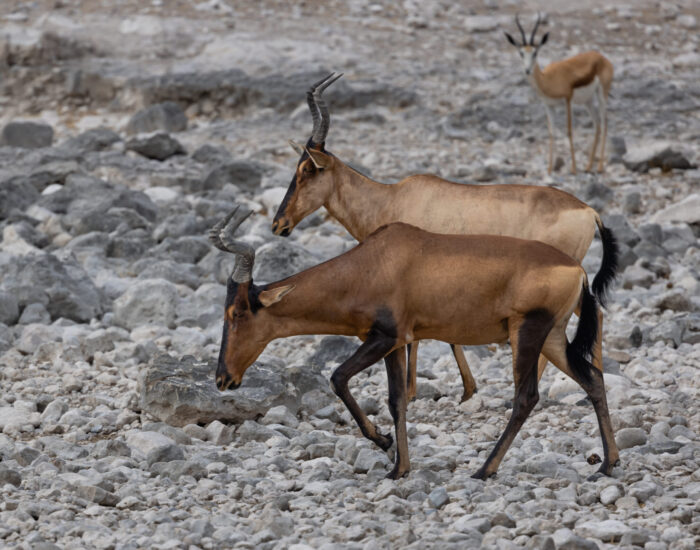
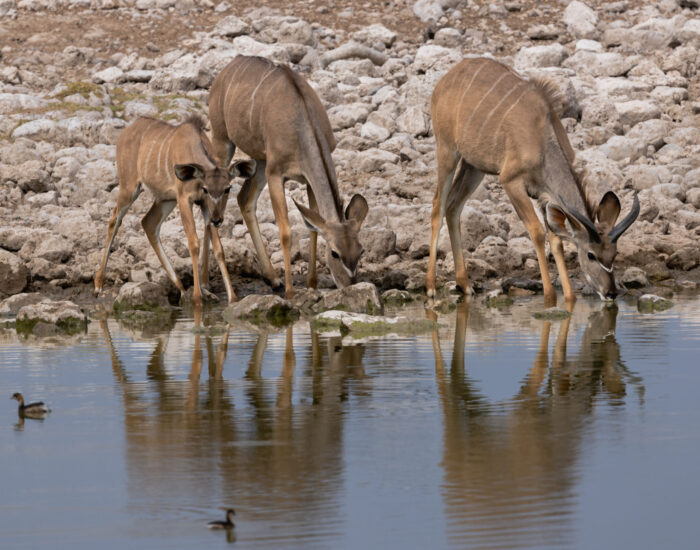
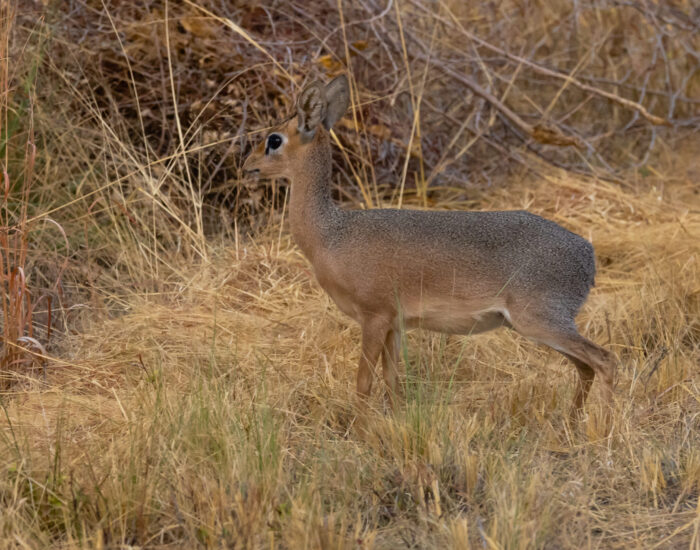
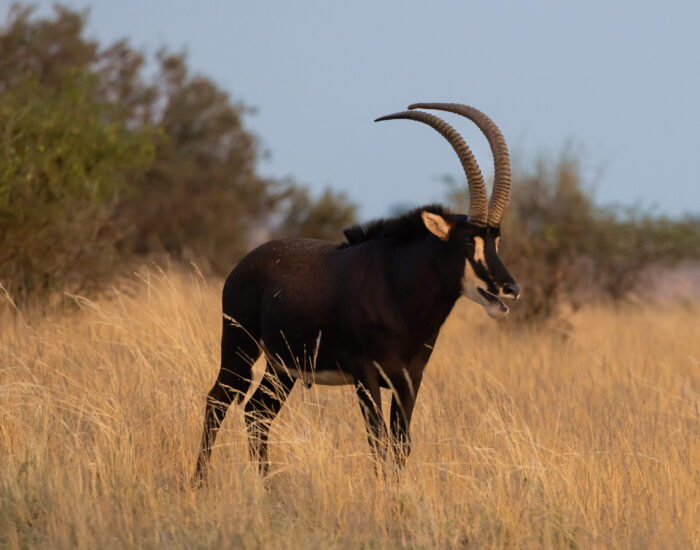
There are around 30 genera of antelopes, and 90 species, most of which are native to Africa. Antelopes are bovid mammals of the subfamily Antilopinae, many of which are graceful, having long legs and horns. They include gazelles, oryxes, wildebeests and springboks. The Gemsbok, Oryx gazella, is the national animal of Namibia and common in the savannahs. The Blue wildebeest has a unique appearance; the head and horns resemble a bull, the mane and tail remind of a horse.
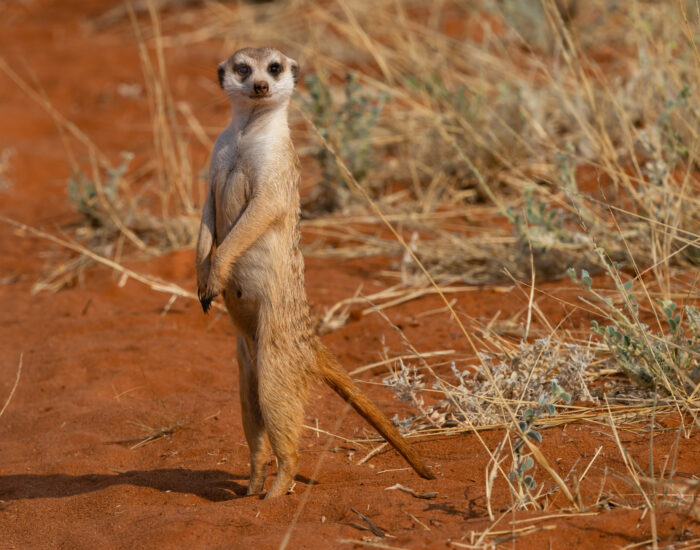
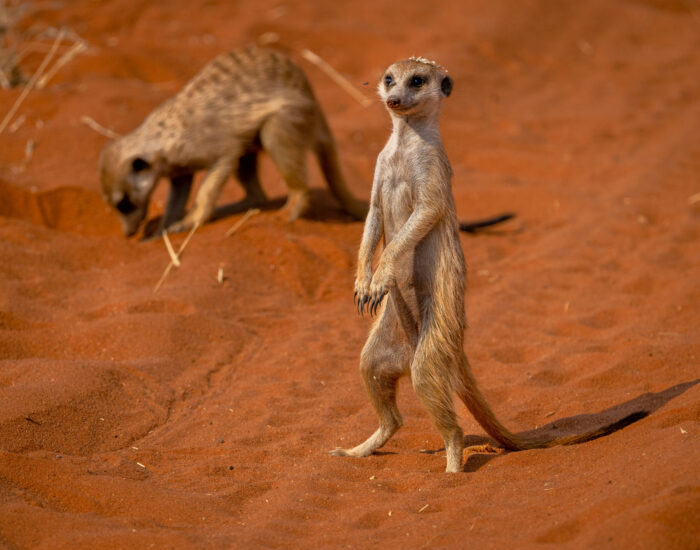
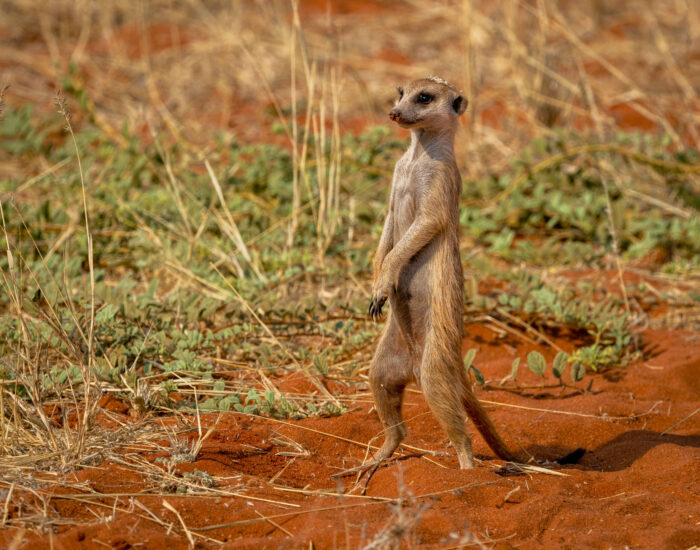
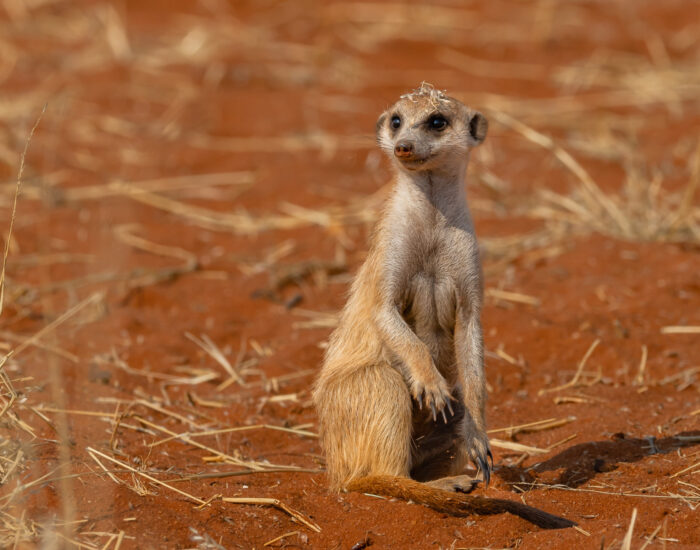
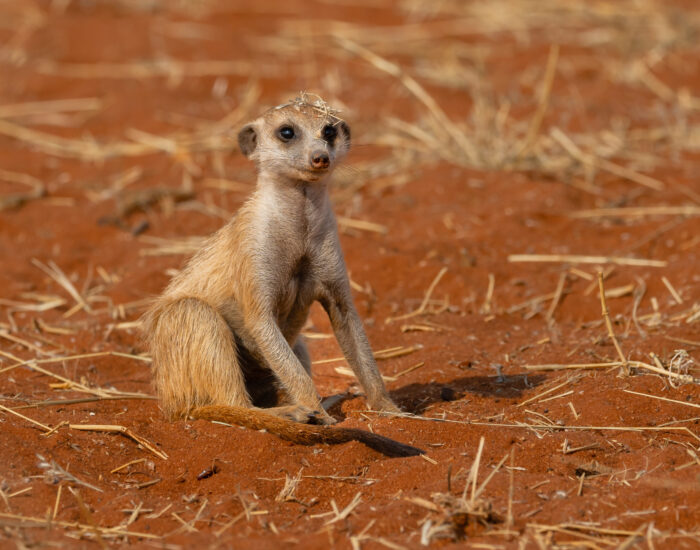
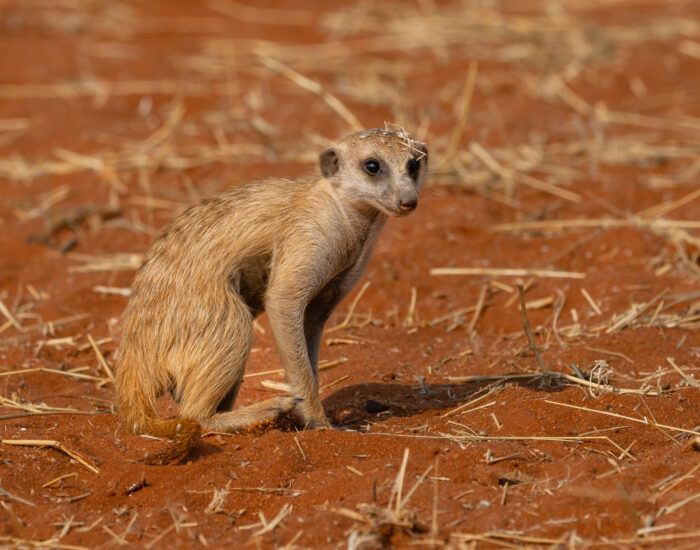
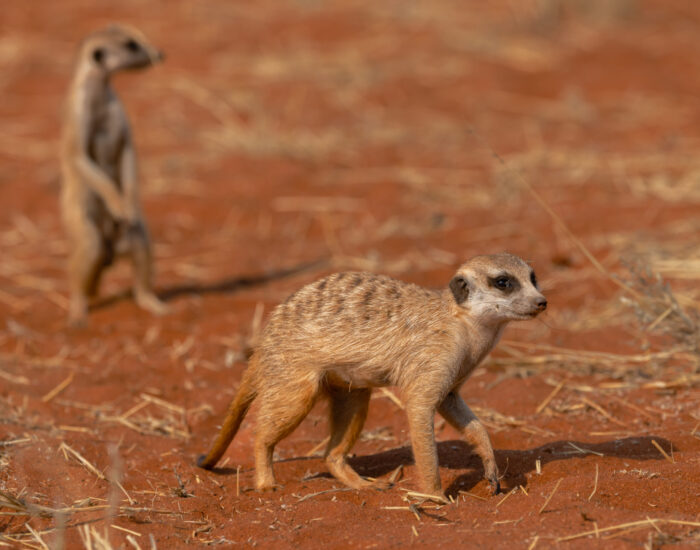
The meerkat, also called suricate, is a small mongoose found in Namibia, South Africa, Botswana, and Angola. These cute animals live in burrows and tunnels they dig underground. They are social animals, living in groups, called mobs, that include as many as 30 individuals. Their diet consists mainly of insects, but they also eat fruit, small rodents, birds, eggs, lizards and scorpions. They spend much of the time digging in the sand in pursuit of prey. A few of them serve as lookouts, gazing for birds of prey that can snatch them from the ground. If they see something suspicious they give a sharp call as a signal for the mob to take cover in the tunnels.
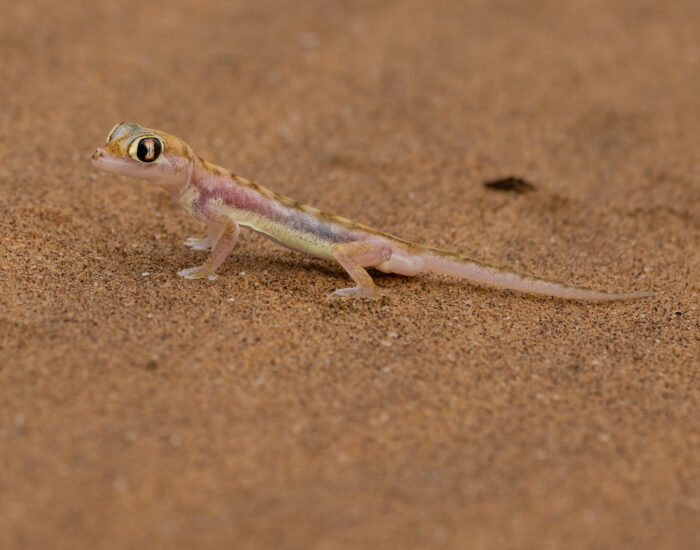
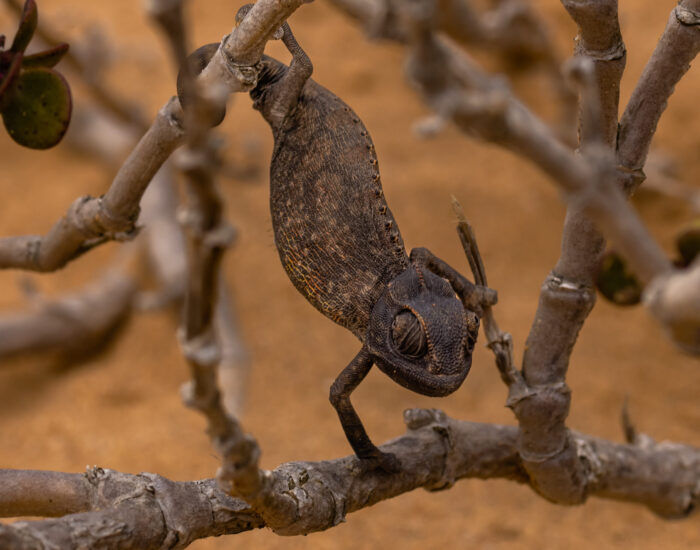
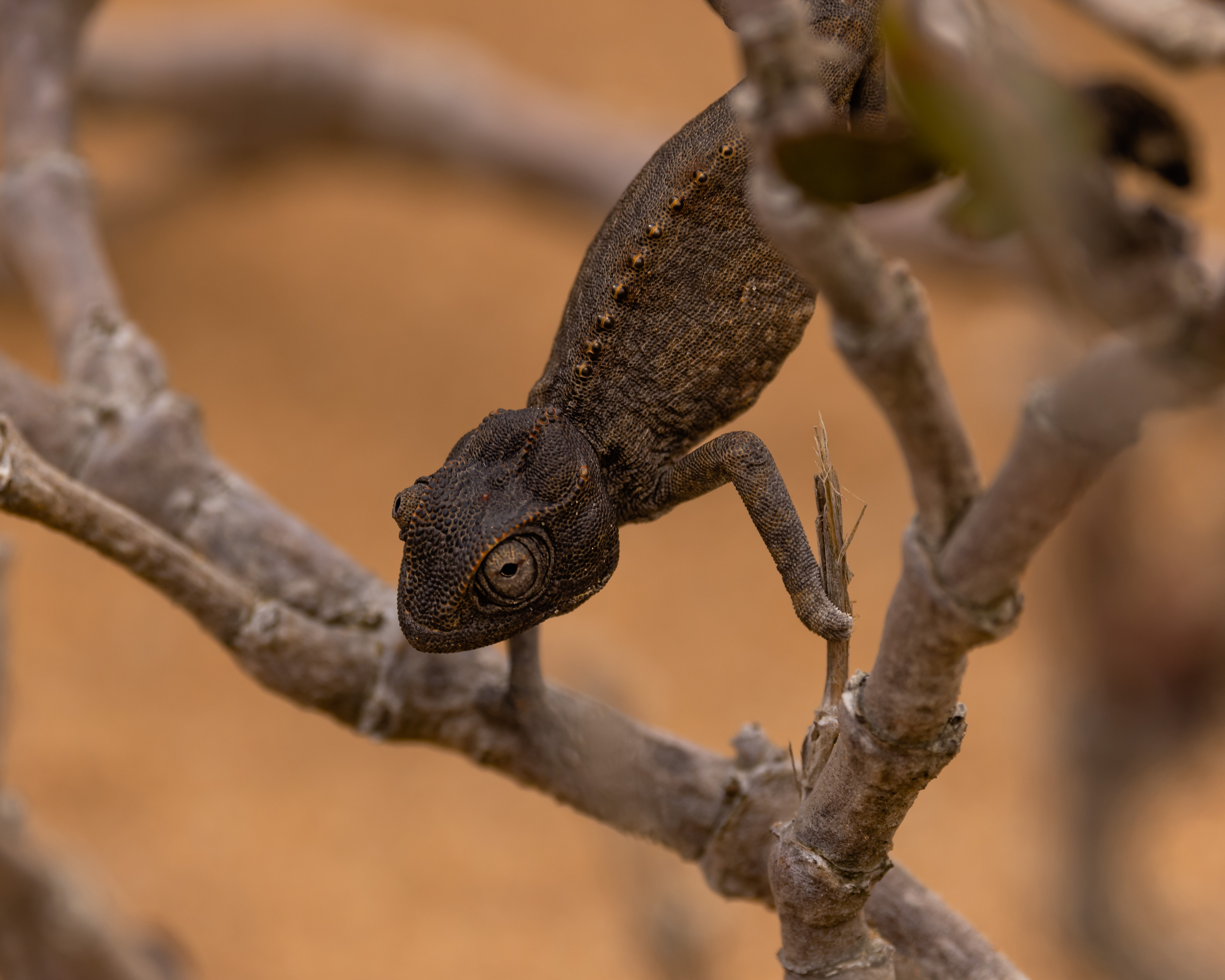
In Namibia, we also saw some animals that live in the Namib Desert, such as geckos, chameleons, and lizards. These animals have evolved to adapt to the environment in the oldest desert in the world.
The Namib Dune Gecko, also called the Web-footed Gecko, can be found throughout the Namib Desert. The web feet provide traction on the soft sand, allowing them to run fast on the surface. The gecko can also use the web feet to dig out prey from under the sand and create burrows to live in. They eat various insects that provide them with enough water to survive.
The Namaqua Chameleon is a short-tailed chameleon that spends most of its time on the ground hunting for insects and eating vegetation. The chameleons can be up to 25 cm long. They move very fast and catch the prey with a tongue measuring around 30 cm in length. They change colour mainly to regulate their body heat, becoming black in the cool morning to absorb heat more efficiently, later turning lighter grey to reflect light during the hot day, or showing both colours simultaneously.
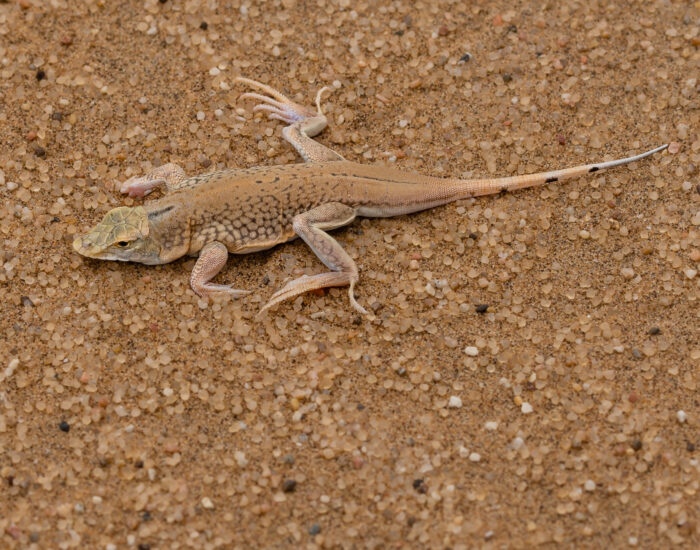
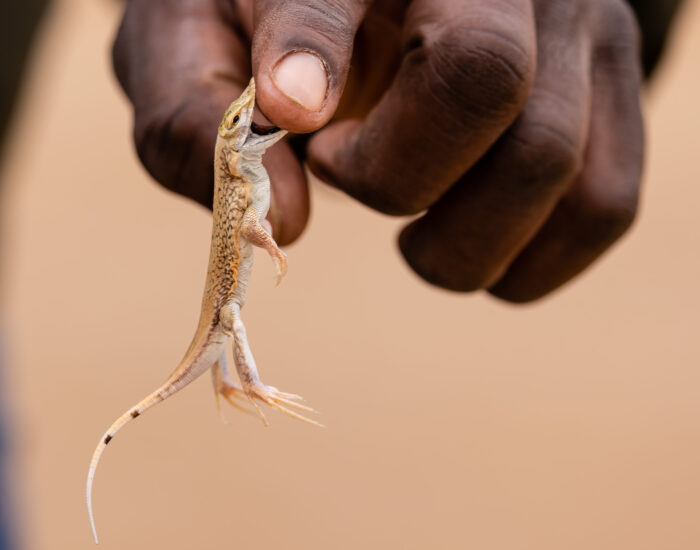
The Shovel-snouted Lizard is also named the Namib Sand-diver because it dives into the sand when threatened by predators. It can hide there for up to 24 hours. During the heat of the day, when the sand gets very hot, the lizard can be seen dancing on the surface in order to keep its feet cool. This behaviour has been called a thermal dance. Its flattened snout allows the lizard to bury deep into the sand where temperatures are cooler and remain more consistent throughout the day.
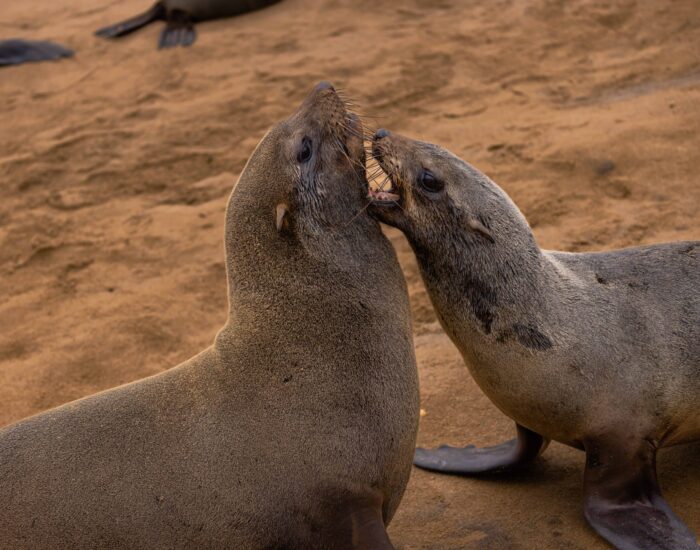
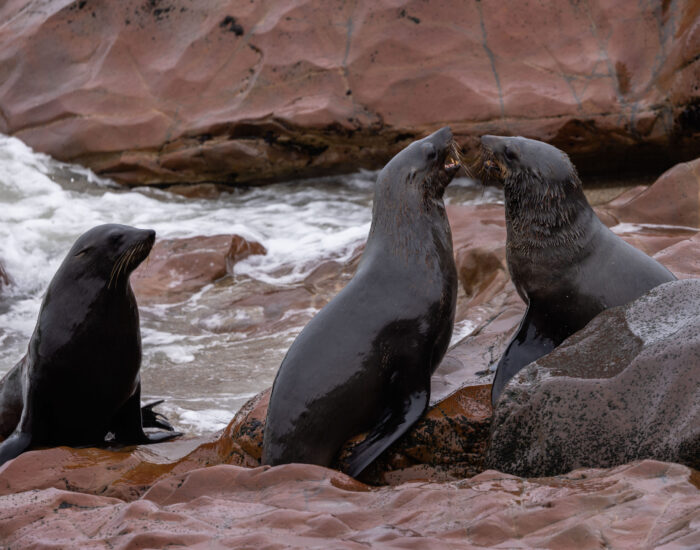
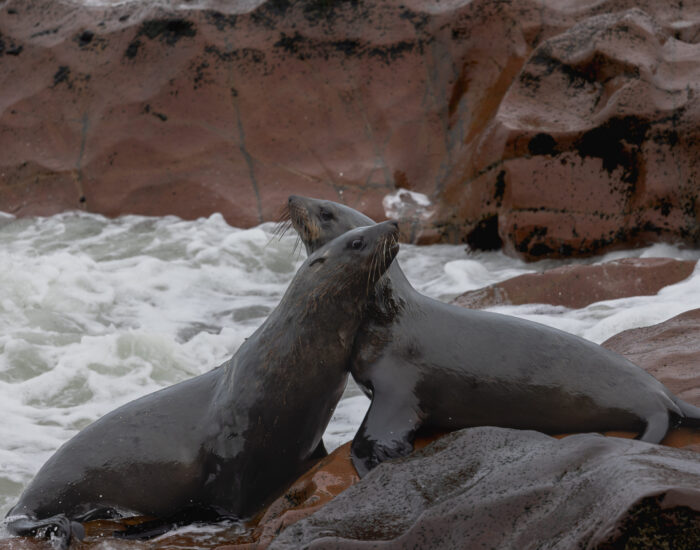
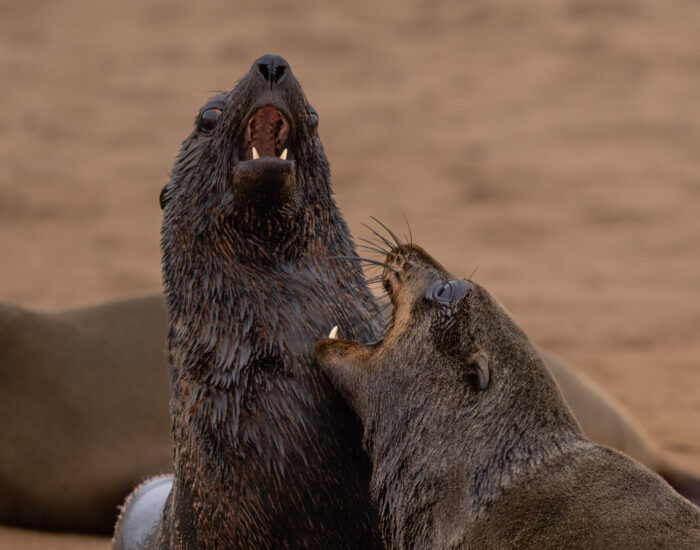
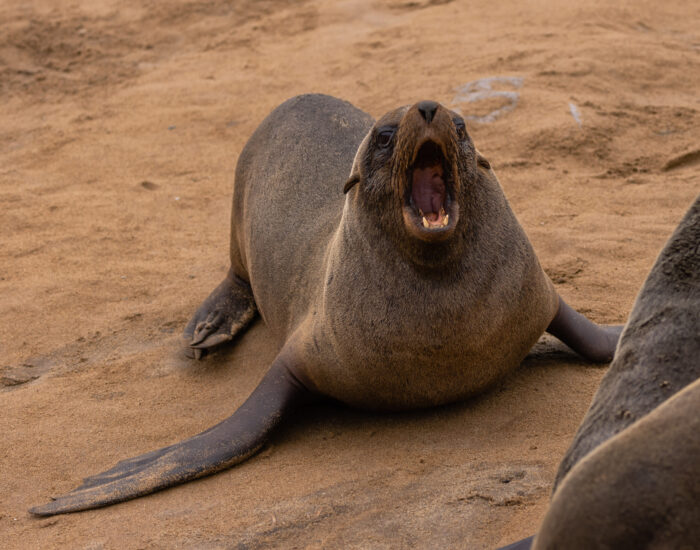
We saw thousands of Cape Fur Seals at Cape Cross in Namibia. It is one of the largest settlements of these animals in the world, with around 210,000 breeding seals. The seals congregate on the rocky shoreline the whole year, attracted by the rich fishing grounds provided by the nutrient-rich waters of the Benguela current, which runs north off the Skeleton Coast. The seals have been hunted and harvested in Namibia. Pups have been killed for their luxurious fur, and adult males for their genitalia because they are considered an aphrodisiac in Japan and some other countries. The Namibian government has claimed that commercial hunting of the seals is needed to protect fisheries, but environmental groups dispute this.
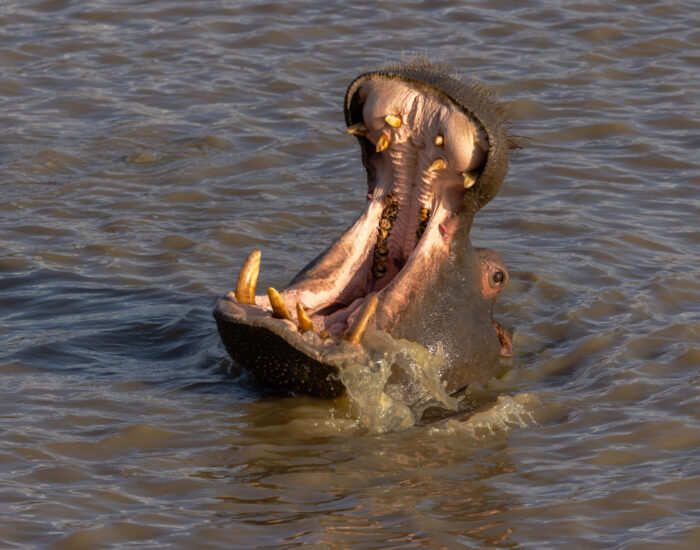
We also saw warthogs, hippopotami, and crocodiles near our lodge at the Erindi Private Game Reserve in Namibia. Since I’m an enthusiast for dental health, I spent an afternoon watching hippopotami which gaped when they saw me aim my camera.
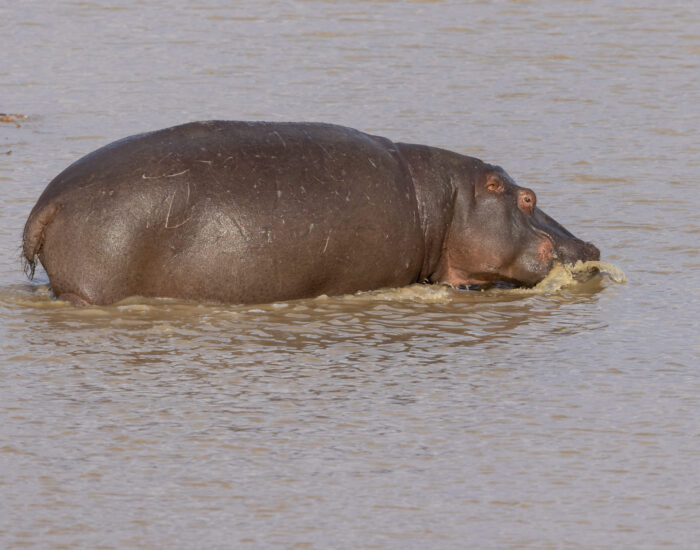
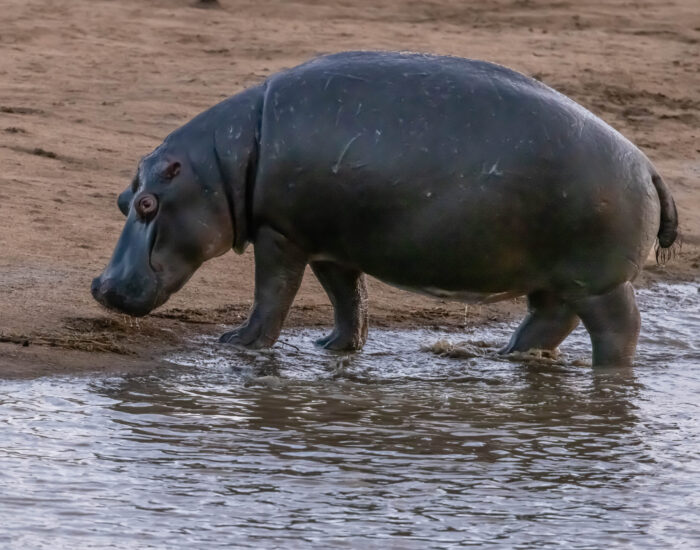
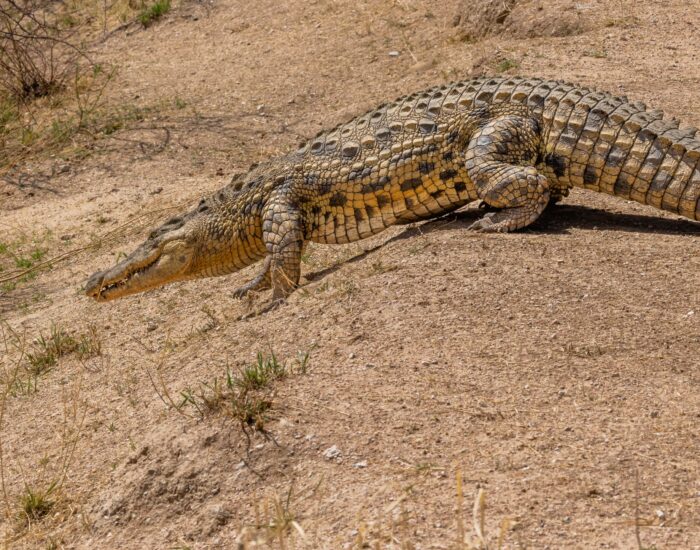
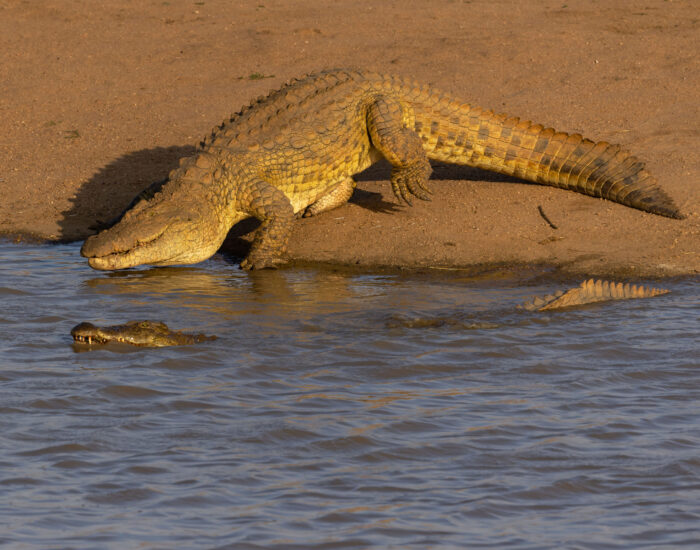
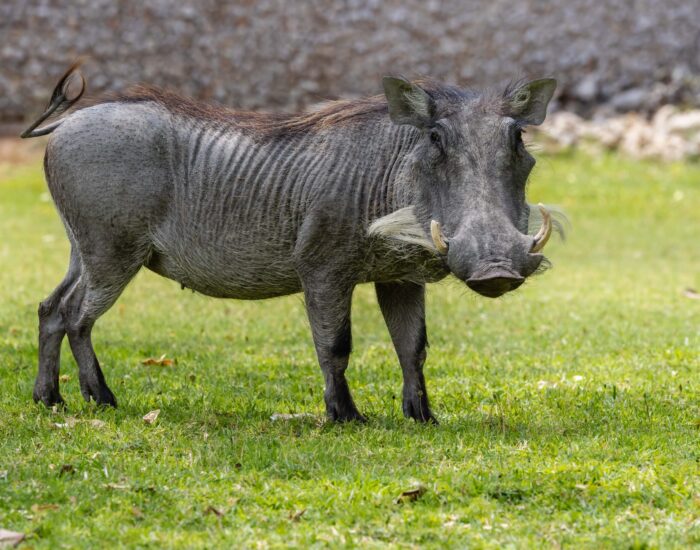
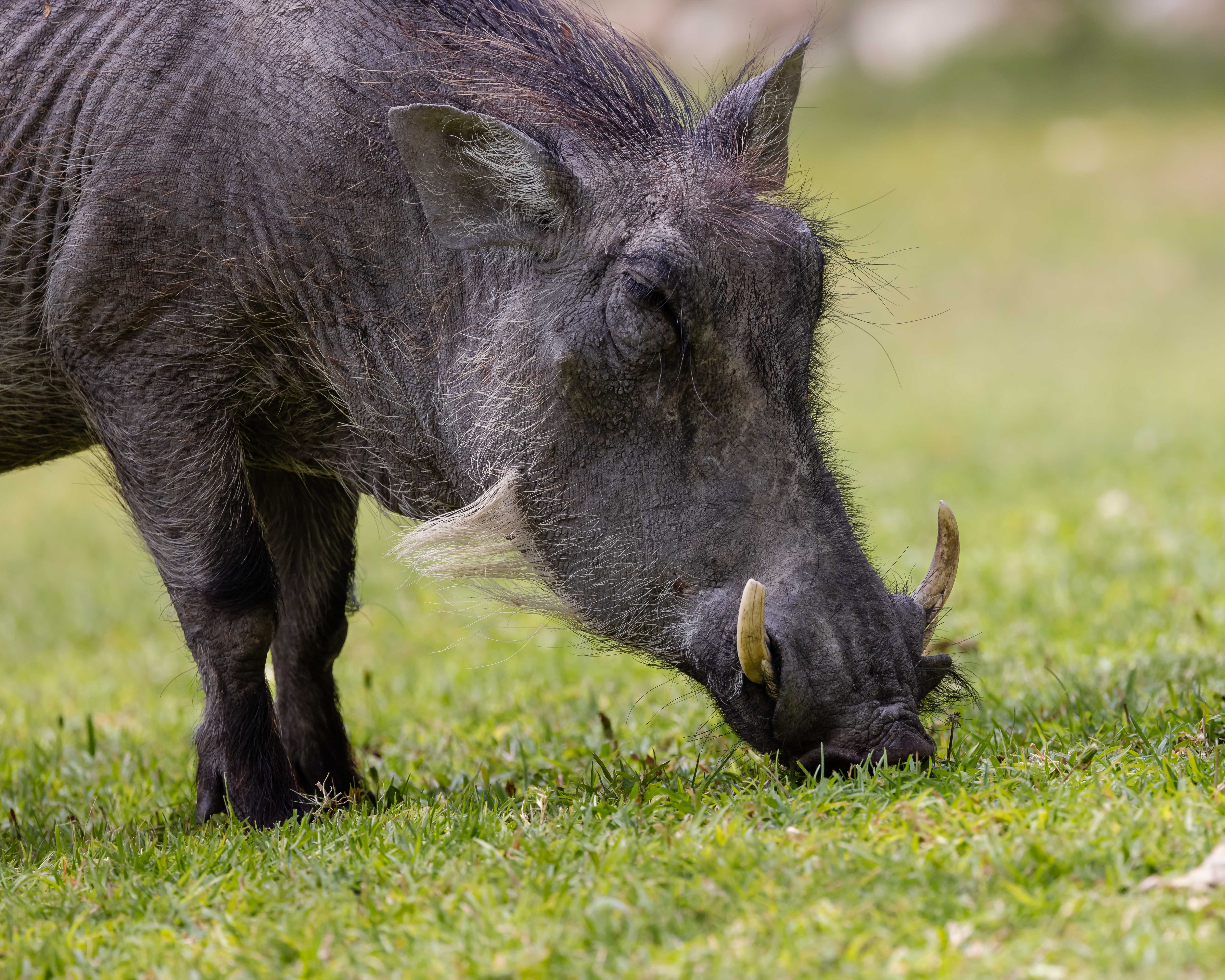
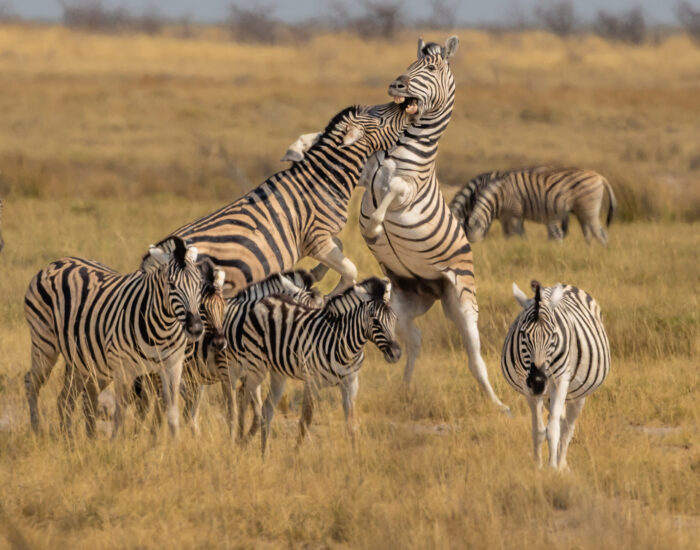
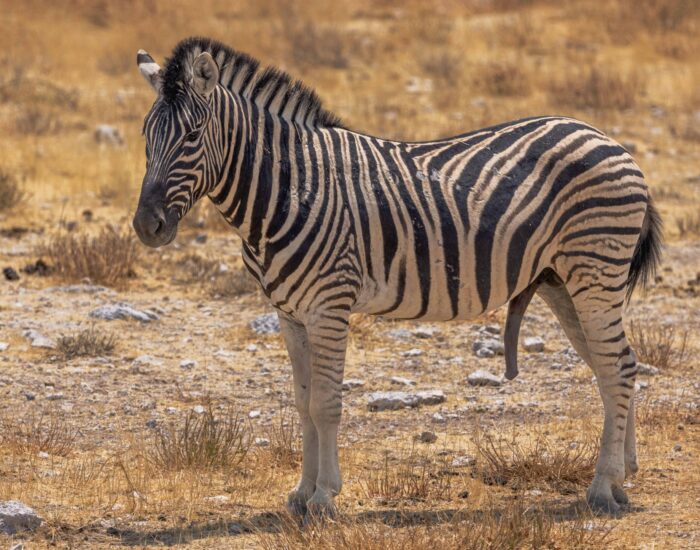
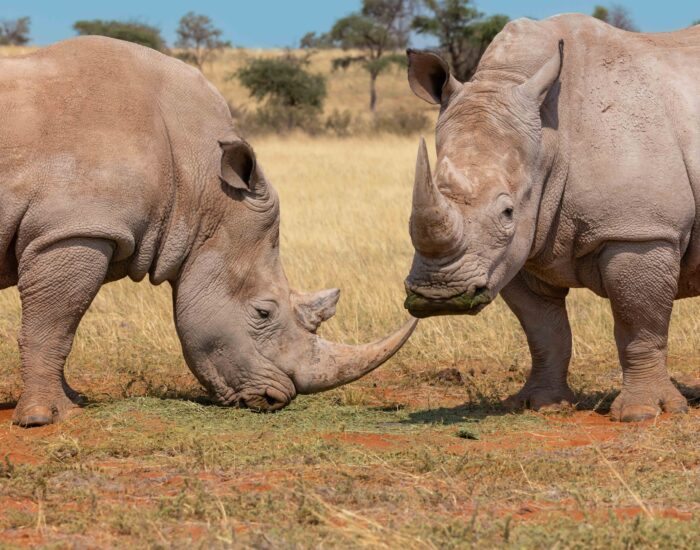
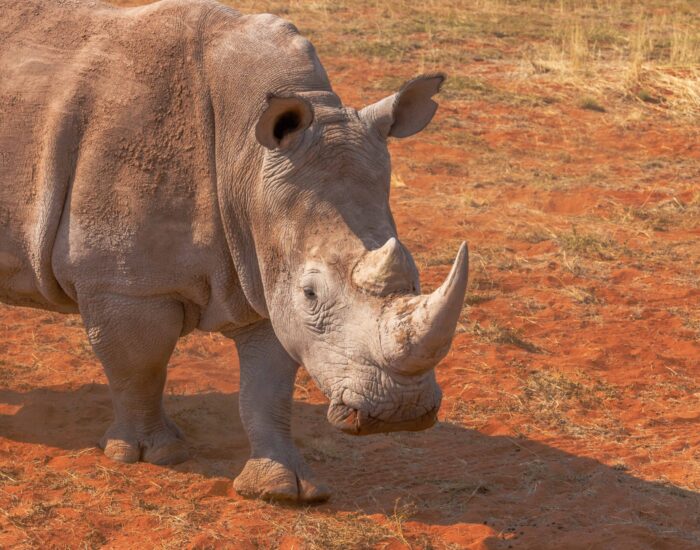
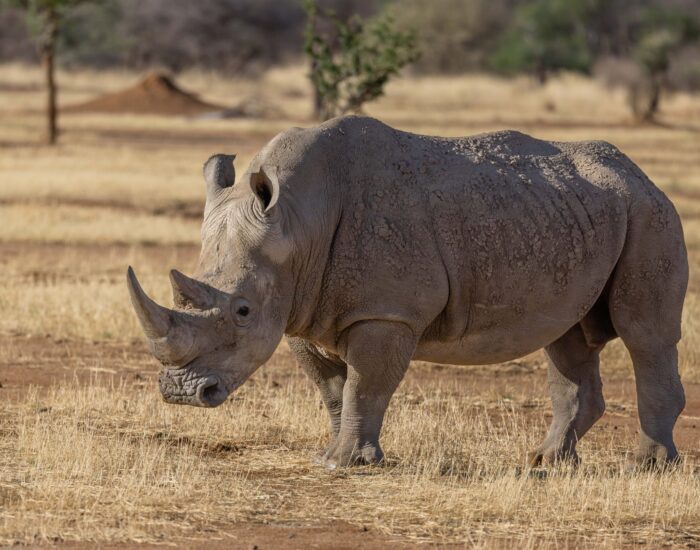
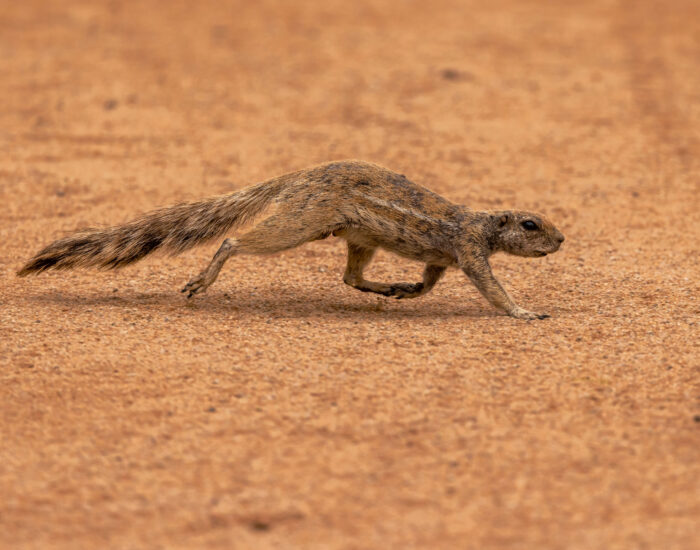
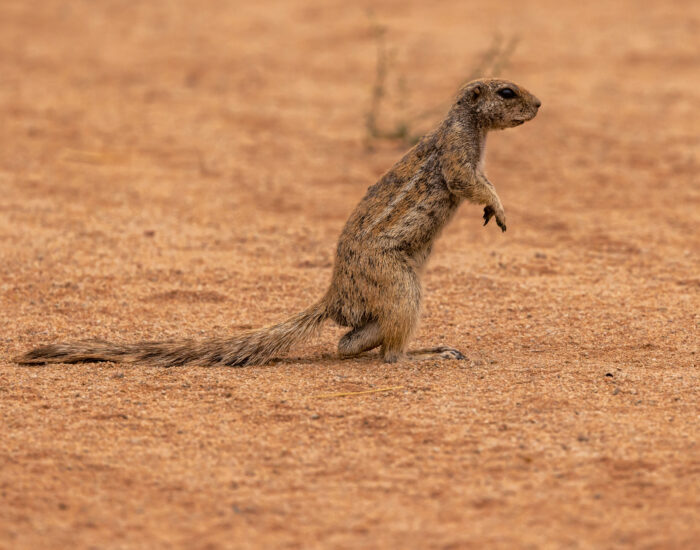
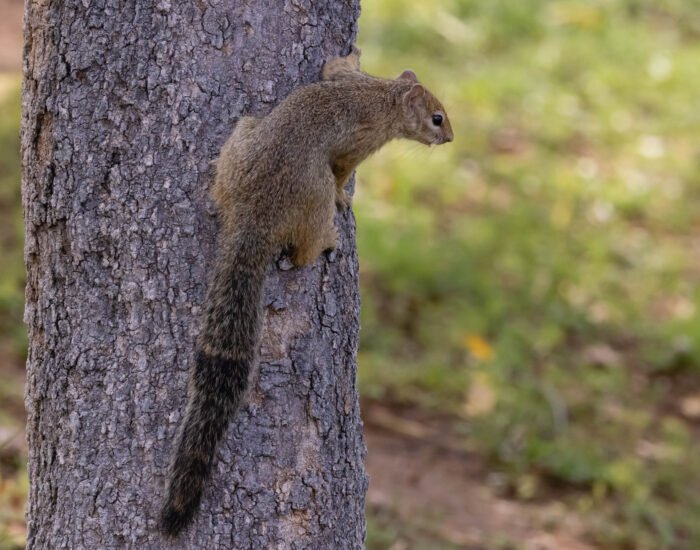
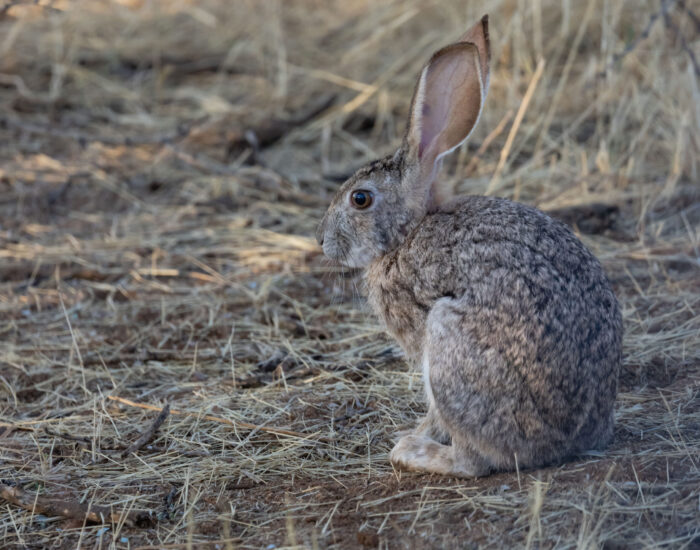
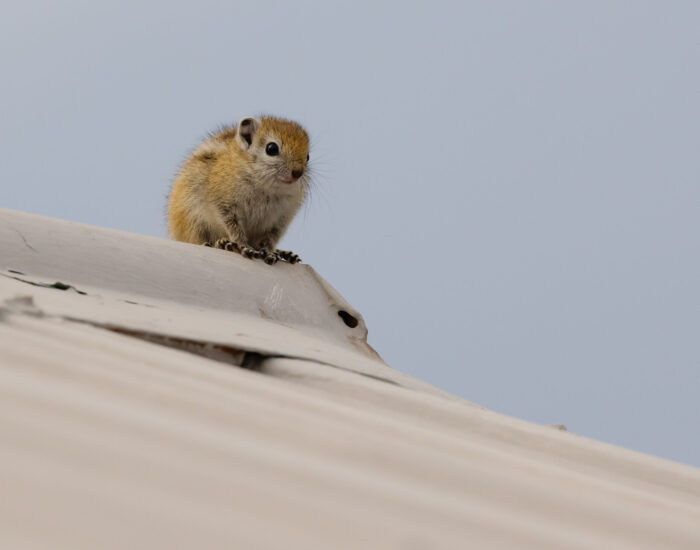
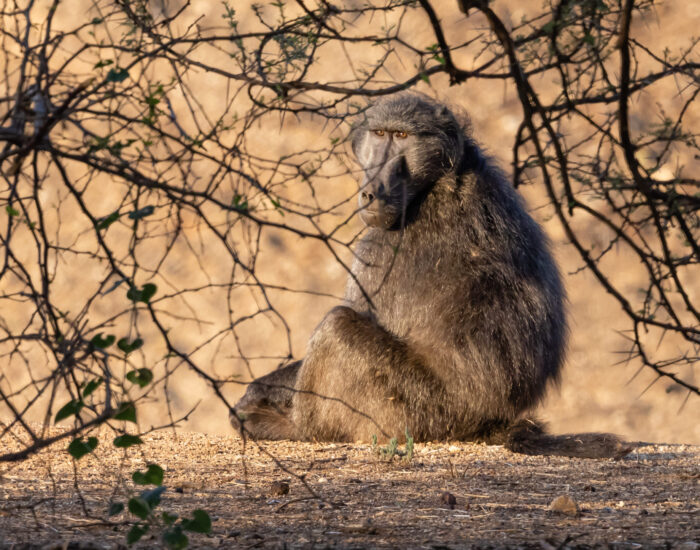
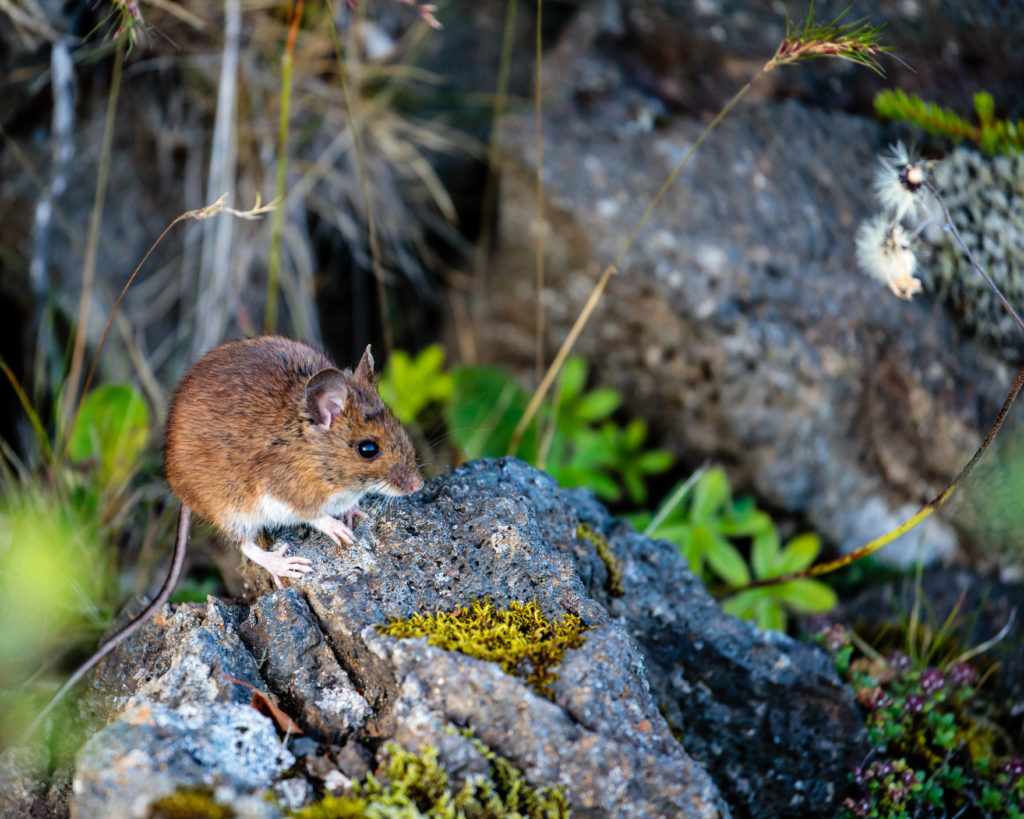
Finally, we saw some zebras, rhinoceros, baboons, hares, squirrels, and mice during our trip to Namibia, in addition to all the other animals above and birds you can see on the front page.
 Sléttusebrar – Plains Zebras